




Vallée de Tirthan
Informations sur la vallée de Tirthan

Guide de la vallée de Tirthan
Informations pratiques sur les voyages dans la vallée du Tirthan. Ce qu'il faut savoir avant de partir.
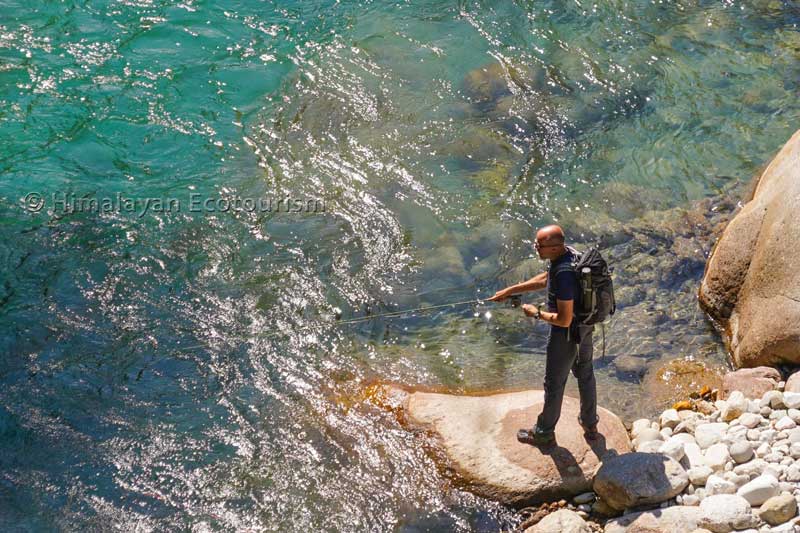
Que faire dans la vallée de Tirthan
Ce que vous pouvez voir et ce que vous pouvez faire lors de votre voyage avec nous dans la vallée de Tirthan.
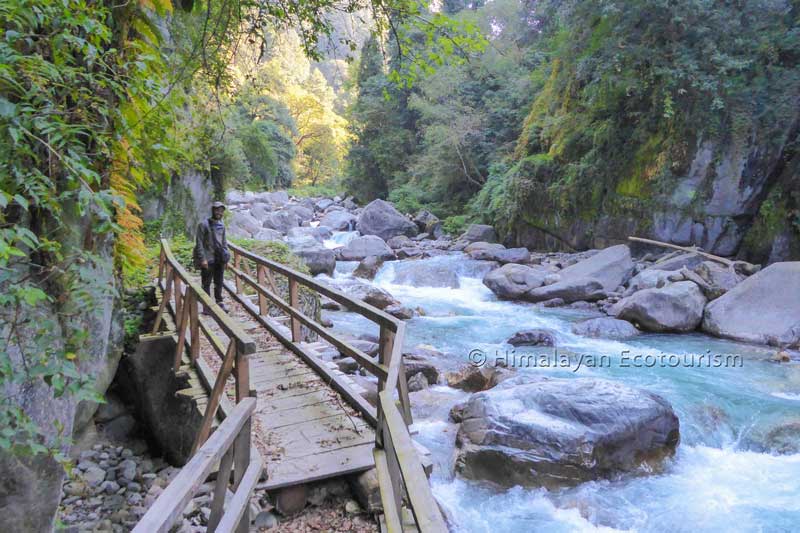
Nos voyages dans la vallée du Tirthan
Des forfaits de vacances personnalisés adaptés à votre style de voyage.
Forfaits touristiques dans la vallée de Tirthan
Week-end dans la vallée de Tirthan
Explorez le meilleur de la vallée de Tirthan en seulement 3 jours

Vacances pour enfants dans la vallée de Tirthan
Camp d'apprentissage expérientiel en plein air pour les enfants
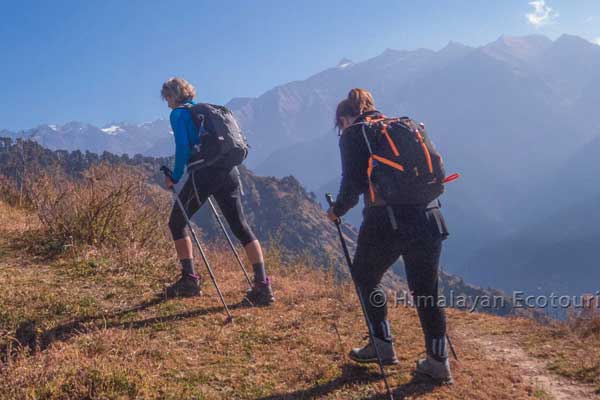
Vacances de remise en forme
Rajeunissez-vous dans la nature sauvage de l'Himalaya.
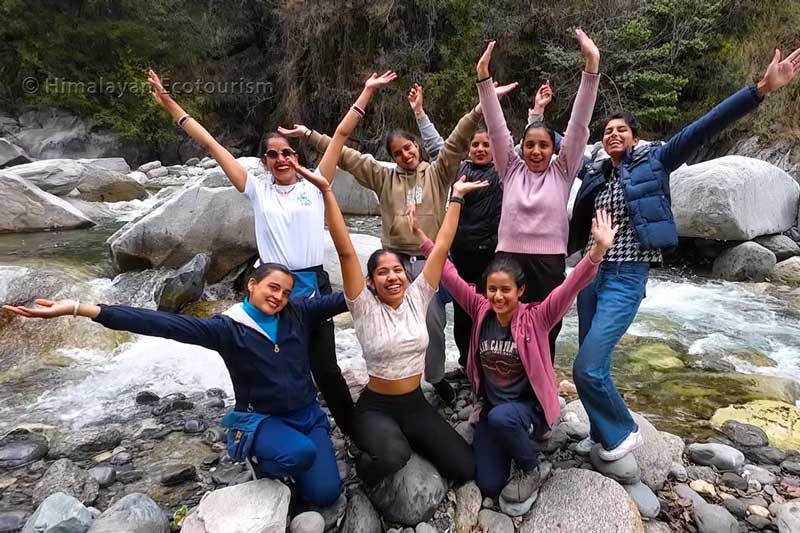
Notre voyage spécial femmes
Profitez du trekking et des aventures en plein air avec notre programme dirigé par des femmes

Voyage d'entreprise
Notre programme de 4 jours dans la vallée de Tirthan est destiné aux groupes d'entreprises.
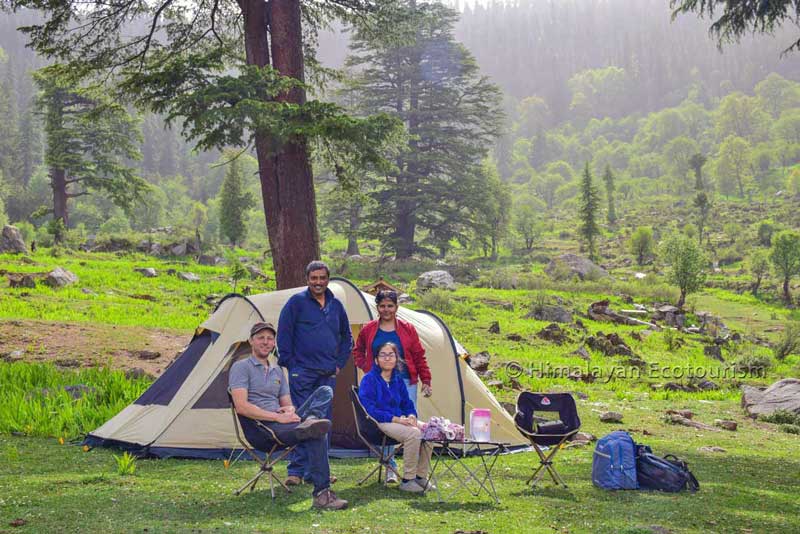
Camping facile en pleine nature
Essayez notre camping en pleine nature pour une expérience de plein air détendue et sans effort.
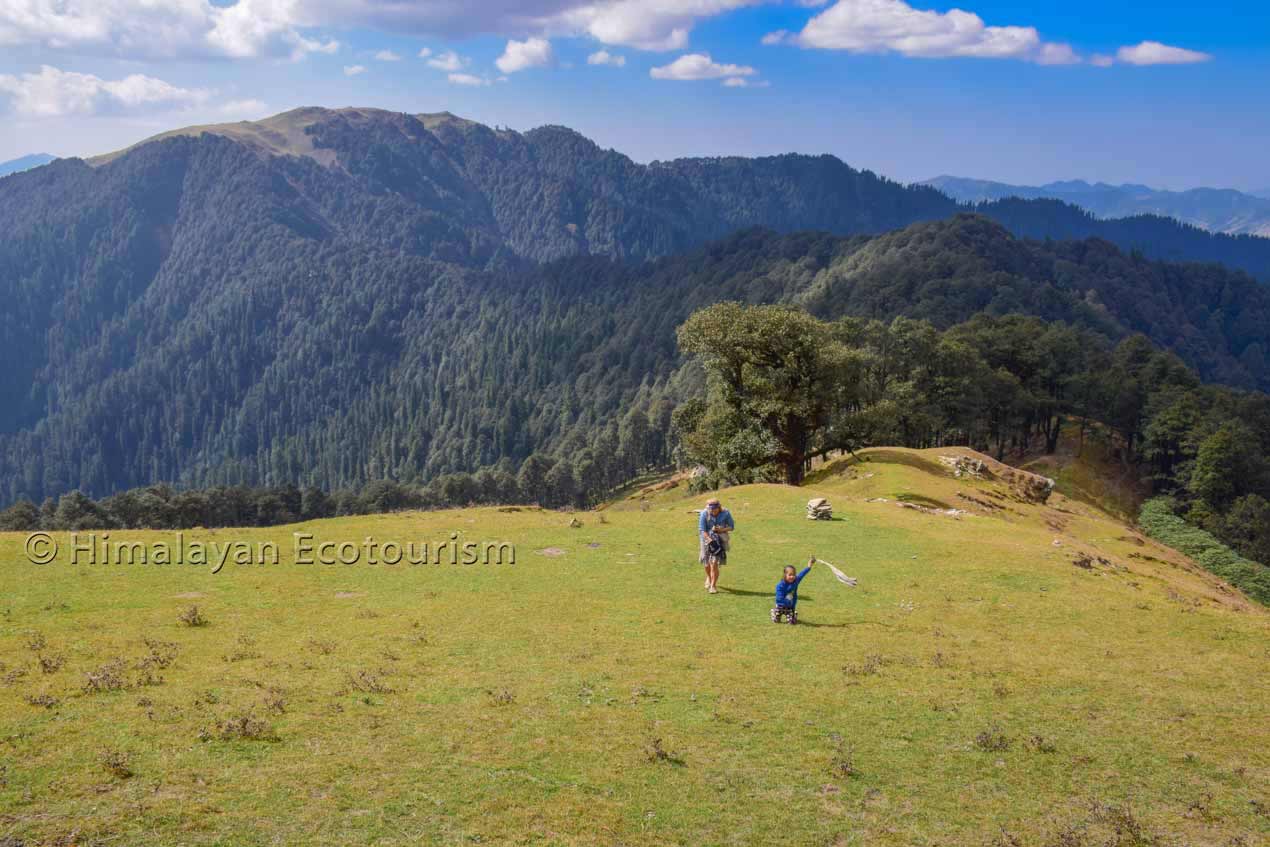
Col Jalori
Profitez d'une vue imprenable au col de Jalori
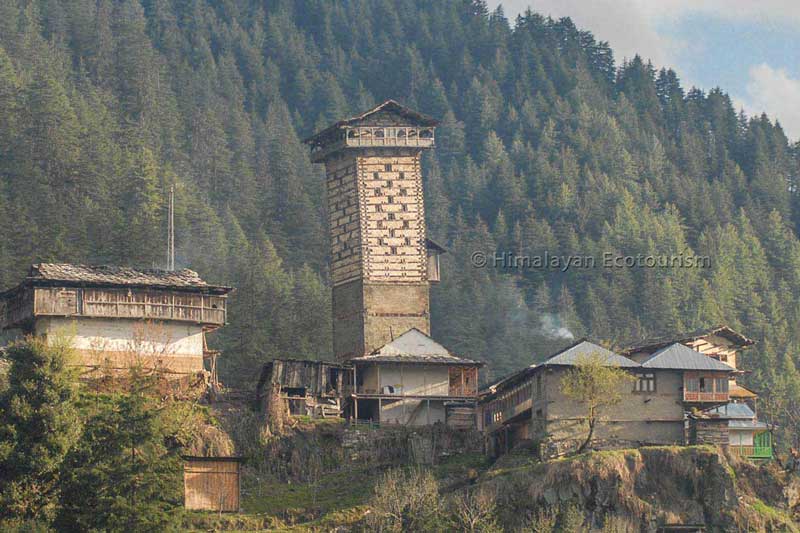
Chehni Kothi
Une tour très impressionnante réalisée selon l'architecture locale Kath-Kuni.

Guide de la vallée de Tirthan
Tirthan Valley is a peaceful Himalayan destination in Himachal Pradesh, known for nature, hiking trails, trout-filled rivers, and eco-friendly village stays. Located next to the Great Himalayan National Park (UNESCO site), it suits both European and Indian travelers looking for quiet landscapes, forest walks, homestays, and authentic culture. Visitors can enjoy treks, waterfalls, birdwatching, trout fishing, and riverside relaxation. Our guide explains the best time to visit, how to reach Tirthan Valley, places to stay, and essential travel tips for planning your trip.
Nestled in the lap of the Western Himalayas, Vallée de Tirthan in Himachal Pradesh is often called the state’s best kept secret. Unlike the bustling tourist hubs of Shimla, Manali, or Dharamshala, Tirthan offers a quieter, more authentic Himalayan experience, where time seems to slow down and nature takes center stage.
The valley takes its name from the Rivière Tirthan, which originates in Tirth, deep within the Great Himalayan National Park (GHNP), a UNESCO World Heritage Site. Flowing through forests and villages, the river finally merges with the Beas at Larji. Famous for its trout, the Tirthan is also surrounded by lush apple and apricot orchards that the Kullu region is known for.
But Tirthan is more than just a scenic escape. It is the perfect destination for those seeking a relaxed holiday close to nature, staying with warm-hearted locals in their homes, enjoying simple hospitality and delicious traditional meals. It is also the gateway to the GHNP, where unforgettable treks lead into pristine wilderness, snow-fed rivers, alpine meadows, and untouched forests alive with Himalayan wildlife.
Whether you wish to wander through orchards, sit by the riverside with a book, or embark on a life-changing trek in the Great Himalayan National Park, Tirthan Valley is a place where every traveler finds peace, inspiration, and connection.
Emplacement de la vallée de Tirthan
Tirthan Valley is located in Kullu district, Himachal Pradesh. It is one of the two valleys in the town Banjar. The other valley is the Jibhi valley. The Tirthan valley is a 5-hour drive from Chandigarh and 9-hour from Delhi. Banjar is around 50km from Bhuntar Airport.
Pourquoi visiter la vallée de Tirthan
Tirthan Valley is one of those rare Himalayan destinations where you can do a little bit of everything, or nothing at all. Serene and slow-paced, it’s the perfect getaway in all seasons, combining nature, culture, and adventure.
Here are some of the reasons why travelers love coming here :
- Gateway to the Great Himalayan National Park (GHNP): From Gushaini village, you can start unforgettable treks into this UNESCO World Heritage Site, home to rare wildlife, alpine meadows, and pristine forests.
- Village life & homestays: Experience authentic Himachali hospitality in traditional wooden houses, wander through quaint hamlets, and share moments with local families.
- Temples & shrines: Known as the Valley of Gods, Tirthan is dotted with ancient temples and sacred spots, each with its own legend and cultural significance.
- Birdwatching & nature walks: With intact forest ecosystems and hundreds of bird species, Tirthan is a paradise for nature lovers and photographers.
- Angling & riverside relaxation: The crystal-clear Tirthan River is famous for trout fishing, but just sitting by its banks with a book is equally rewarding.
- Short hikes & hidden waterfalls: From your homestay, you can walk to orchards, waterfalls, or quiet forest trails that reveal the valley’s beauty at a gentle pace.
- Activités d'aventure: For the more active, there are options like rock climbing, rappelling, or even mountain biking in the surrounding hills.
Whether you’re seeking peace, adventure, or cultural immersion, Tirthan Valley offers a complete Himalayan experience, away from the crowds of Manali and Shimla.
Read more about what you can do in the Tirthan valley here.
Explorez la vallée de Tirthan
Explorer Vallée de Tirthan is as much about the journey as the destination. The valley is easily reachable by car, but once here, you can also move around using local buses, shared taxis, or private taxis. For the most authentic experience, we recommend staying in a local homestay, where you’ll enjoy warm hospitality and traditional Himachali culture.
The best way to discover Tirthan, however, is on foot. Walking through the valley is not only eco-friendly, it also lets you slow down, soak in the peaceful atmosphere, and reach many scenic spots, villages, and places of interest directly from your accommodation.
At Heco, we design Forfaits touristiques de la vallée de Tirthan and can help you craft a Tirthan Valley itinerary that matches your pace, whether you’re looking for a relaxed walking holiday, short day hikes, or customized treks into the Great Himalayan National Park.
Meilleur moment pour visiter la vallée de Tirthan
The best time to visit Tirthan valley is avril, mai, juin, et puis October, November and December.
Météo à Vallée de Tirthan au moins d' été is usually around 20- to 30-degree centigrade. While April is slightly chill, May and June are sunny and pleasant.
Le Météo à Vallée de Tirthan between October and December is between 12- to 25-degree centigrade. September is pleasant but might still be under the influence of the monsoon. octobre is probably the best month of the year, while November and December are generally colder (10 to 20 degree) but sunny. The Valley is not as green in the colder months.
Avoid the monsoon between July and August as it rains a lot and the paths become slippery and there are chances of landslides. It can be humid and stormy in July and humid with heavy rains in August. September may see some rain.
You could come in the winter months of January to March to enjoy snowfall. Température de la vallée de Tirthan is generally between 0- to 5-degree centigrade during snowfall.
Vous pouvez vérifier avec nous le Météo à Vallée de Tirthan avant de planifier un voyage à Tirthan.
JAN
TRÈS FROID
Éviter
FÉV
TRÈS FROID
Éviter
MAR
FROID
Possible
AVR
TEMPÉRÉ
Bon moment
MAI
AGRÉABLE
Meilleur moment
JUIN
AGRÉABLE
Meilleur moment
JUILLET
HUMIDE
Possible
AOÛT
HUMIDE
Éviter
SEP
AGRÉABLE
Possible
OCTOBRE
AGRÉABLE
Meilleur moment
NOV
TEMPÉRÉ
Meilleur moment
DÉC
FROID
Possible
Carte de la vallée de Tirthan
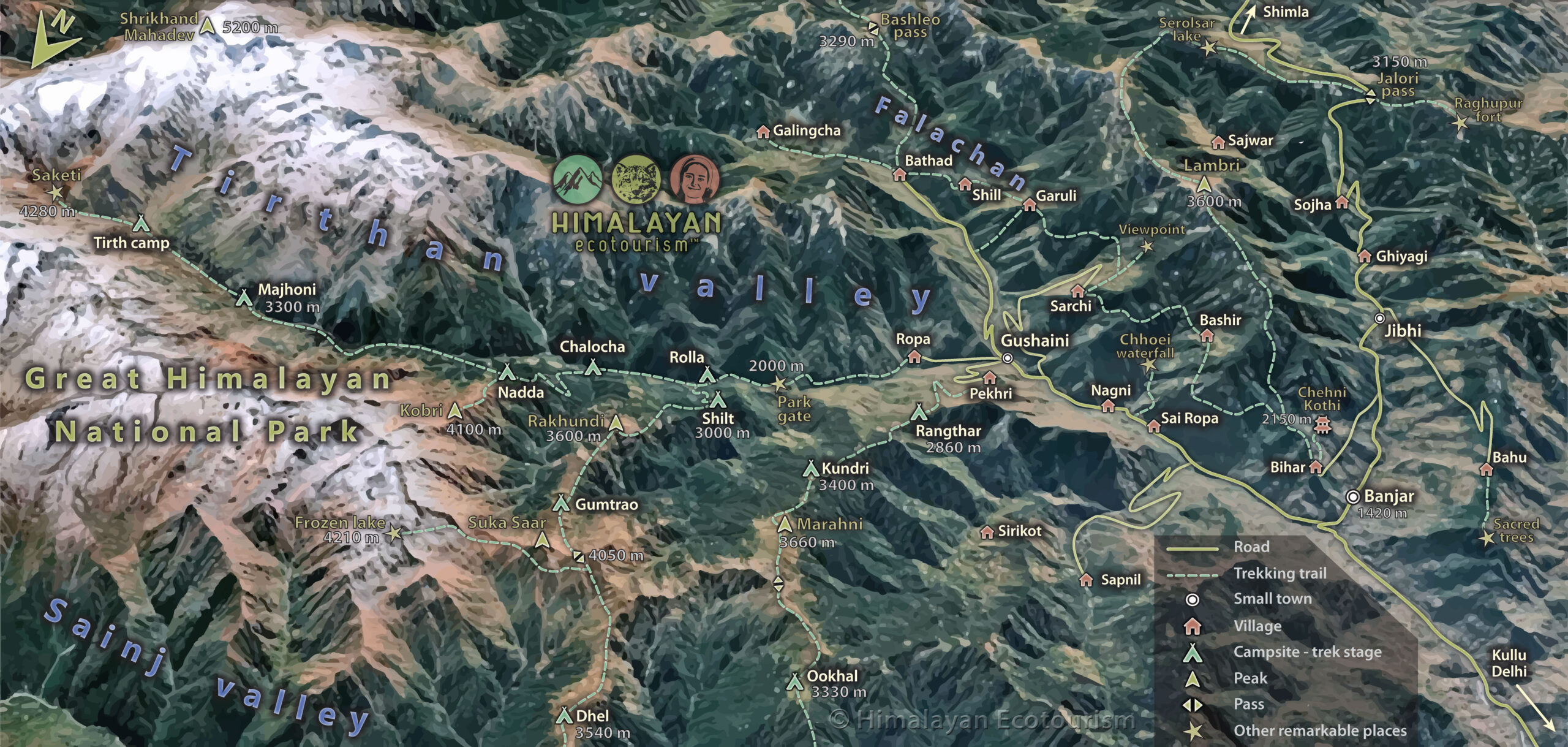
CARTE DE LA VALLÉE DE TIRTHAN ET ENVIRONS
Jetez un coup d’œil rapide à la géographie de la vallée de Tirthan. Découvrez les routes principales et les sentiers de randonnée en jaune et vert.
Comment atteindre la vallée de Tirthan
Tirthan Valley is well connected by road, lying about 9 hours from Delhi and around 5 hours from Chandigarh. It is also conveniently located near other popular Himachal destinations such as Kasol, Manali, and Shimla, making it an easy and scenic drive from these hubs.
How to reach Tirthan Valley from Delhi
By Bus
The most convenient way is to take an overnight Volvo bus from Delhi to Aut. Buses usually leave Delhi in the evening and reach Aut in the early hours of the morning. From Aut, you can either hire a taxi or take a local bus to Banjar, the main town in Tirthan Valley, or directly to your accommodation.
By Car
If you prefer to drive, the journey takes about 9 hours via the route Delhi – Chandigarh – Bilaspur – Mandi – Aut. From Aut, continue towards Banjar to enter Tirthan Valley.
Important Road Tip
Just before Aut, you will see a tunnel. Do not enter the tunnel. Instead, take the smaller road to the right at the tunnel entrance. This road crosses a dam and then a bridge. After crossing the next bridge on your right, you’ll reach the small town of Larji. From there, turn right and continue straight for about 20 km to Banjar, the gateway to Tirthan Valley.
Comment rejoindre la vallée de Tirthan depuis Chandigarh
Tirthan Valley is around 5 hours from Chandigarh via NH205 and NH154 or via NH205, NH154, and NH3. There are many overnight buses that you can take to Manali. You can get off the bus in Aut. If you are driving, drive through Bilaspur and Mandi to reach Aut.
Comment rejoindre la vallée de Tirthan depuis Manali
Tirthan Valley is a 3-hour drive from Manali via NH3. You can drive or get a day bus or one of the overnight buses on this route and get down at Aut. A taxi or one of the local buses will bring you to Banjar.
Comment rejoindre la vallée de Tirthan depuis Kasol
La vallée de Tirthan se trouve à environ 2,5 heures de Kasol. Vous pouvez emprunter la Manikaran Road, qui passera par Bhuntar et Takoli. Vous pouvez prendre un bus local de Kasol à Mandi et descendre à Aut.
Comment rejoindre la vallée de Tirthan depuis Ambala
Ambala to Tirthan Valley is an approximately 6-hour drive by road. You will have to take NH205 and NH154 and go through Chandigarh, Bilaspur, and Mandi to reach Aut. You can take an overnight bus to Kullu and Manali and then a taxi or local bus to Aut.
Comment rejoindre la vallée de Tirthan depuis Shimla
Shimla is just a 5- to 6-hour drive to Tirthan Valley. There are no direct buses to Tirthan Valley, so you will need to take a bus to Manali or Kullu and then a local bus or cab to Aut. You will be on NH205 and NH154. Alternate routes are via NH5 and NH305 and via MDR22 and NH305.
Vous pouvez emprunter la route depuis le col de Jalori mais cette route sera fermée en hiver en raison de fortes chutes de neige.
De Dharamshala à la vallée de Tirthan
Si vous prenez la NH154, vous pouvez rejoindre la vallée de Tirthan via Bir et Mandi en 6 heures environ.
Comment rejoindre la vallée de Tirthan en train
Le gares les plus proches de la vallée de Tirthan sont à Ambala, Kiratpur et Chandigarh. Vous devrez ensuite prendre un bus ou un taxi ou vous rendre en voiture jusqu'à la vallée de Tirthan.
Comment rejoindre la vallée de Tirthan en avion
Le aéroport le plus proche de la vallée de Tirthan est Bhuntar, près de Kullu et Manali. Il s'agit uniquement des vols intérieurs et il y a des vols quotidiens depuis Delhi et Chandigarh.
Depuis l'aéroport, vous pouvez prendre un taxi ou un bus pour rejoindre la vallée de Tirthan. Il se trouve à environ 50 km et à environ 2 heures de la vallée de Tirthan.
Les deux autres aéroports de l'Himachal se trouvent à Gaggal (alias l'aéroport de Kangra) et à Jubbarhatti (alias l'aéroport de Shimla). Il faut compter 6 à 7 heures de route entre Gaggal et Jubbarhatti pour rejoindre la vallée de Tirthan.
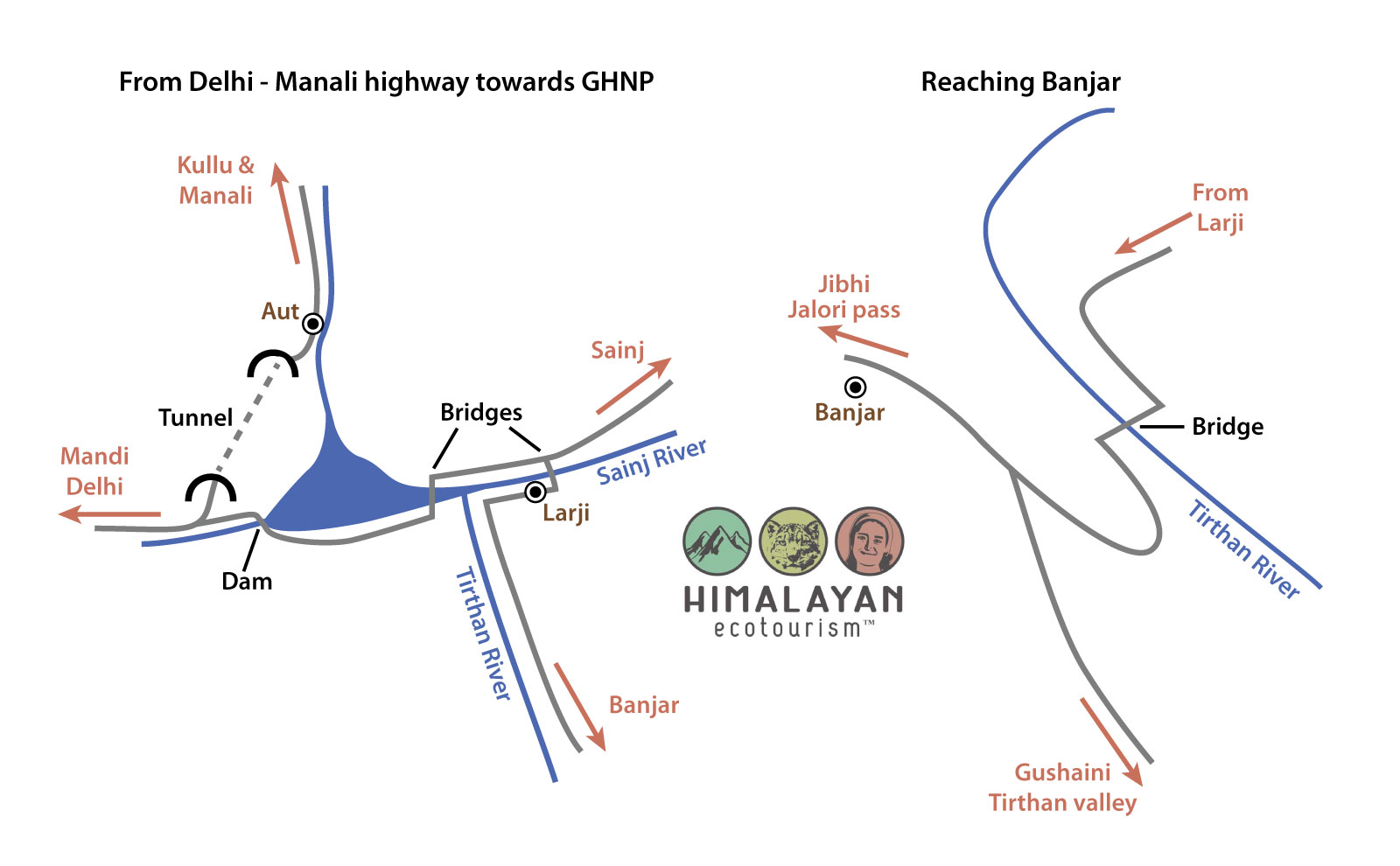
CARTE ROUTIÈRE
Carte routière indiquant comment se rendre dans la vallée de Tirthan.
Questions fréquemment posées sur Tirthan Valley
Que faut-il emporter pour la vallée de Tirthan ?
Le Guide d'emballage de la vallée de Tirthan Il est recommandé pour l'été et l'automne de porter des couches comprenant une veste légère, des chaussures de trekking/randonnée, surtout si vous prévoyez de faire de la randonnée ou du trek activement, des chaussures de marche de bonne qualité et quelques paires de chaussettes en laine. Emportez également des lainages car les nuits peuvent devenir plus froides.
Le Guide d'emballage de la vallée de Tirthan recommandé pour la saison des pluies comprend des vêtements de pluie, des vestes coupe-vent et des vêtements à séchage rapide ainsi que des chaussures et des chaussettes robustes.
Le Guide d'emballage de la vallée de Tirthan recommandé pour l'hiver/les chutes de neige comprend les laines, les hauts thermiques, les doudounes, les bottes de neige et les chaussettes en laine épaisses. Vous devrez peut-être porter plusieurs couches en fonction de l'altitude et de la température.
Veuillez également emporter des lunettes de soleil, des chapeaux de soleil et de la crème solaire.
Nous pouvons vous recommander ce dont vous avez besoin pack pour Tirthan et emportez avec vous en fonction de votre Itinéraire de la vallée de Tirthan.
Comment est Internet dans la vallée de Tirthan?
La couverture réseau est bonne dans la vallée de Tirthan.
Quelle est la meilleure période pour visiter la vallée de Tirthan ?
Les meilleures périodes pour visiter la vallée de Tirthan sont l’été (d’avril à juin) et l’automne (d’octobre à novembre).
L'hiver est également une bonne période si vous souhaitez faire l'expérience des chutes de neige (la vallée est magnifique lorsqu'elle est recouverte de neige !), même si vous ne pourrez peut-être pas participer à trop d'activités d'aventure ou explorer des régions de plus haute altitude telles que le col de Jalori.
Combien de jours suffisent pour la vallée de Tirthan ?
Nous recommandons au moins 3 jours minimum pour un panel d'expériences assez large.
Quel est le meilleur village de la vallée de Tirthan ?
Il y a beaucoup de beaux villages et hameaux. Certains des plus connus sont Sarchi, Pekhri et Gushaini.
Quelle ville est proche de la vallée de Tirthan ?
Chandigarh est à environ 6 à 7 heures et Delhi à environ 11 à 12 heures de Tirthan. Vallée.
Où se trouve Vallée de Tirthan ?
La vallée de Tirthan est située dans le district de Kullu, dans l'Himachal Pradesh. Il est à 6 à 7 heures de Chandigarh et à 11 à 12 heures de Delhi par la route.
Quels sont les meilleurs endroits pour séjourner à Vallée de Tirthan ?
Il existe de nombreuses familles d'accueil et maisons d'hôtes dans la vallée de Tirthan pour une expérience confortable.
Quel est l'aéroport le plus proche de la vallée de Tirthan ?
L'aéroport de Bhuntar dans l'Himachal est l'aéroport le plus proche de la vallée de Tirthan. C'est uniquement pour les vols intérieurs. C'est à environ 50 km.
Quel mois est le meilleur pour la vallée de Tirthan ?
Les meilleurs mois sont avril, mai et juin en été et octobre et novembre en automne.
Hôtels à Vallée de Tirthan
Il existe différents types d’hébergement dans la vallée de Tirthan. Nous pouvons organiser des hôtels ou des familles d'accueil pour vous en fonction de vos préférences et de votre budget.
Il existe également un complexe touristique assez basique géré par le gouvernement à Sai Ropa, dans la vallée de Tirthan. Il se trouve à environ 15 minutes du départ des randonnées du Great Himalayan National Park à Gushaini. Des réservations peuvent être organisées. Cependant, il existe d'autres familles d'accueil et maisons d'hôtes plus pratiques dans la vallée de Tirthan.
See accommodation in the Great Himalayan National Park for detailed information about accommodation.
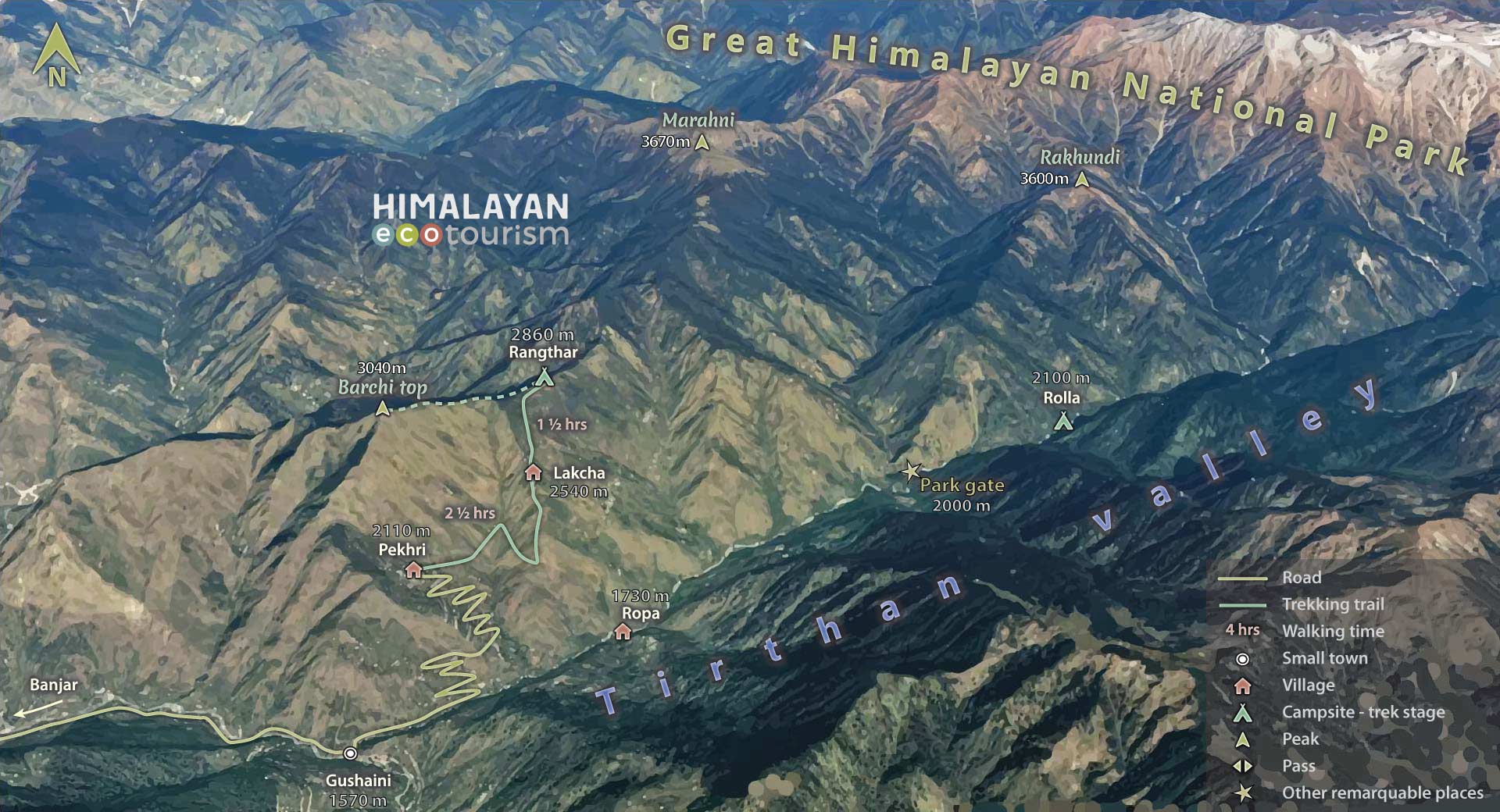
HÉBERGEMENT
Des maisons d'hôtes et des familles d'accueil sont disponibles dans la vallée de Tirthan. Veuillez vous renseigner pour vérifier avec nous les meilleures options.
Vallée de Tirthan Photos
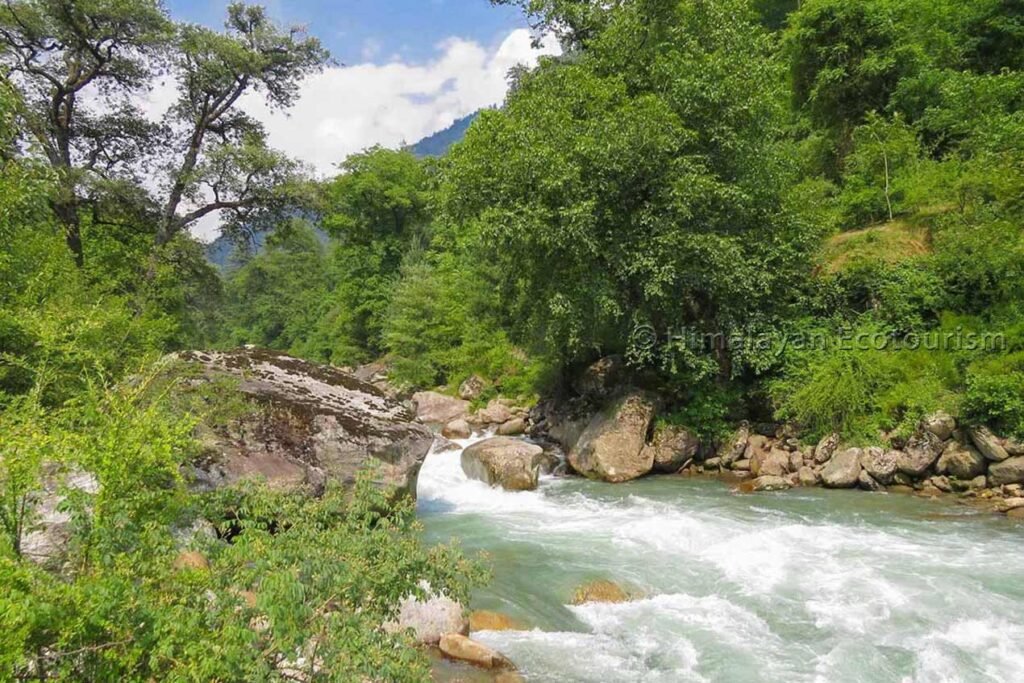
Rivière Tirthan
À quand remonte la dernière fois que vous avez vu une rivière pure, propre, voire potable ?

Maison himalayenne
Ces maisons traditionnelles en bois et pierres contribuent grandement au charme de la vallée
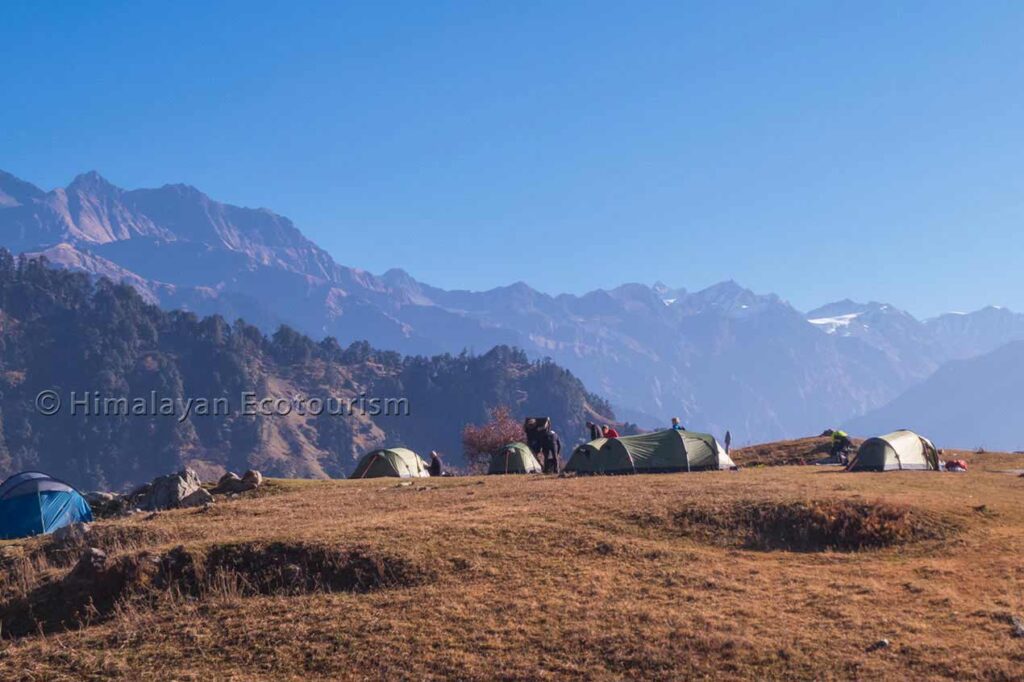
Camping en pleine nature
Demandez-nous d'organiser votre camping sauvage. Nous sommes très doués pour ça 🙂
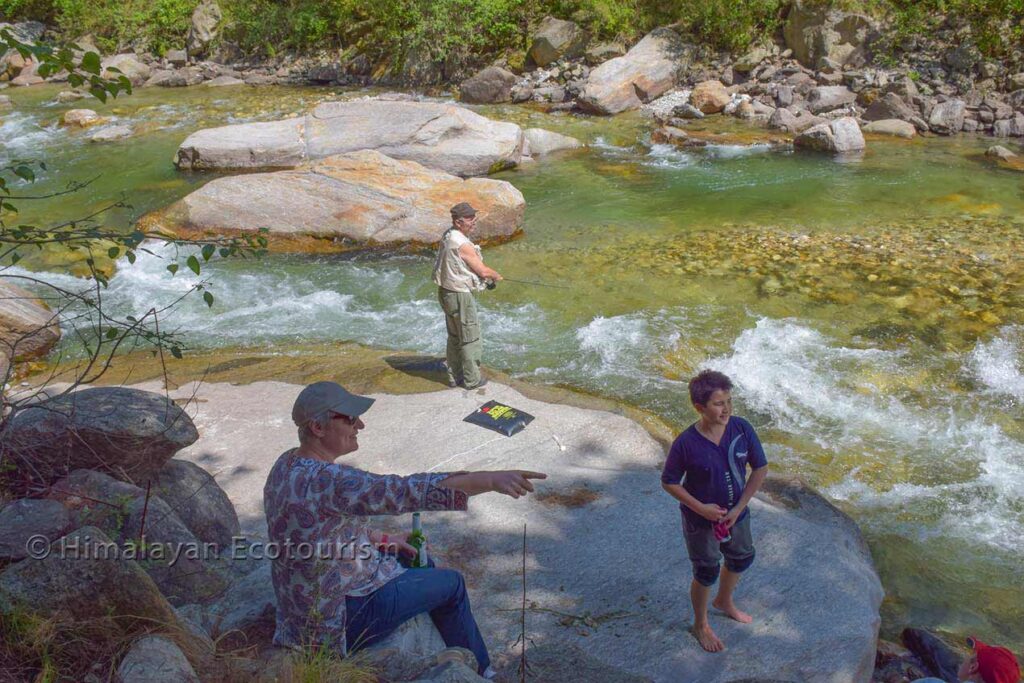
Pêche à la truite
Attrapez un poisson pendant votre camping dans la nature. Nous le ferons un barbecue le soir !

Truite de l'Himalaya
Une gourmandise locale à ne pas manquer !

Vallée de Tirthan
Après une tempête. Photo prise dans une famille d'accueil unique.