



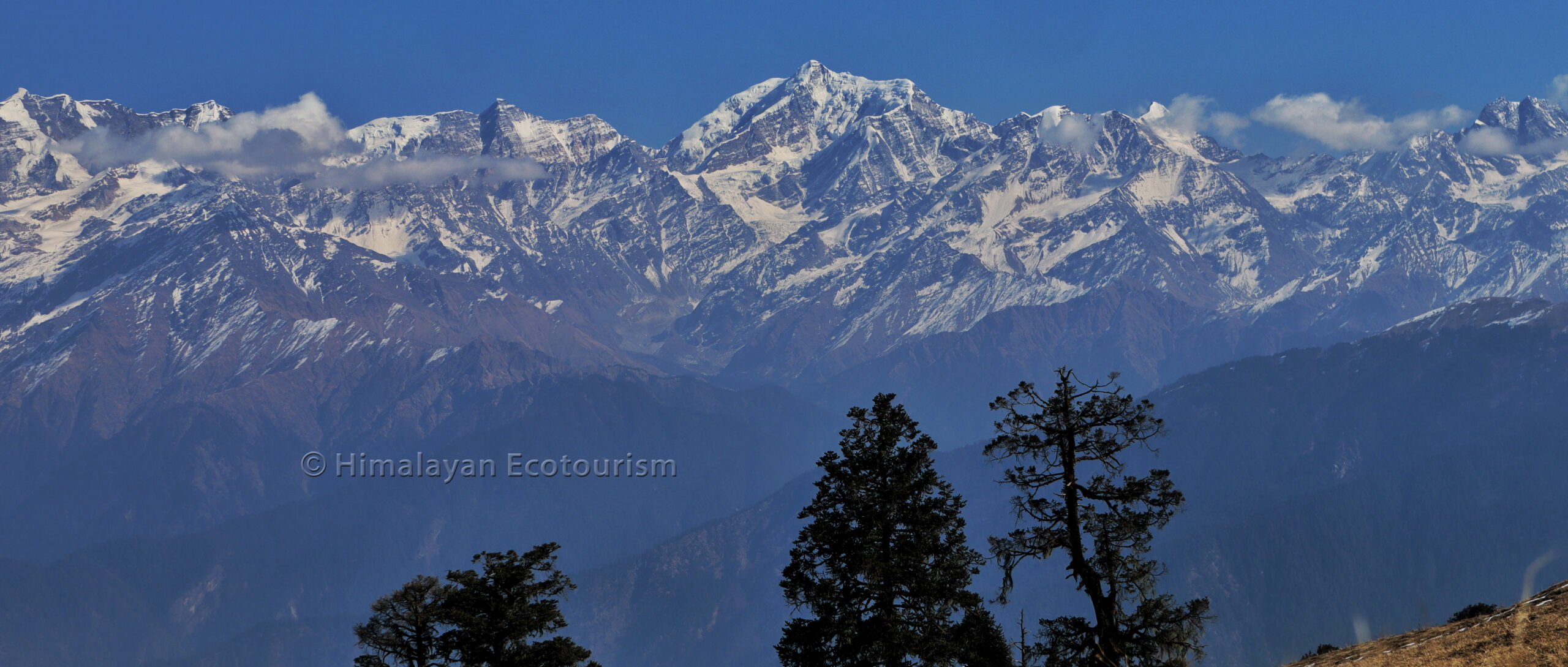
Uttarakhand – The Soul of the Indian Himalayas

A Guide to Uttarakhand
Into the Heart of Uttarakhand
Nestled beneath towering peaks like Nanda Devi (7816m) and Trishul (7120m), Uttarakhand is crisscrossed by holy rivers meeting at the Panch Prayag (the five confluences). Pilgrims flock here to visit the Sapta Badri (seven temples dedicated to Lord Vishnu), the Panch Kedar (the five shrines of Lord Shiva), and the Shakti Peethas where the goddess’s power is honored. Known as Devbhoomi – the Land of the Gods, Uttarakhand’s villages still live and breathe Devta culture, with festivals and rituals that have been passed down for centuries, giving travelers a true glimpse into its living spiritual heritage.
Formed in 2000 after being carved out of Uttar Pradesh, Uttarakhand is divided into two distinct cultural and geographical regions: Garhwal and Kumaon. Each division has its own identity, dialects, cuisines, and customs, yet both are bound by a shared reverence for nature and tradition.
Covering an area of approximately 53,483 square kilometers, Uttarakhand is home to a population of around 10 million people, many of whom live in peaceful mountain villages that have preserved their heritage for generations. The state capital, Dehradun, along with cities like Rishikesh, Haridwar, Nainital, Almora, and Pithoragarh, serve as important cultural and logistical hubs for travelers.
Whether you’re seeking spiritual rejuvenation on the ghats of the Ganga, trekking through high-altitude meadows dotted with alpine flowers, birdwatching in pristine forest reserves, or immersing yourself in the warm hospitality of hillside communities, Uttarakhand promises a deeply enriching journey. With its ecological diversity, from subtropical forests to snow-capped peaks, and its enduring spiritual legacy, the state is a haven for pilgrims, adventurers, nature lovers, and mindful travelers alike.
How to Reach Uttarakhand: Getting to the Land of the Gods
Reaching Uttarakhand by Air
1. Jolly Grant Airport (Dehradun – Garhwal Region)
- Location: About 25 km from Dehradun city center, roughly 16 km from Rishikesh.
- Flights: Daily connections to Delhi; occasional flights from Mumbai, Bengaluru, Kolkata, and other major Indian cities.
- Travel Time: Once you land, you can reach Dehradun in about 45 minutes by taxi or shared cab. Rishikesh is about 25 minutes away by road.
2. Pantnagar Airport (Haldwani – Kumaon region)
- Location: About 70 km from Nainital, 27 km from Haldwani.
- Flights: Primarily connects with Delhi and occasionally with other metros.
- Travel Time: From Pantnagar you can reach Haldwani in about 40 minutes, and to Nainital, expect a 2–3 hour drive. Shared taxis and private cabs are available outside the terminal.
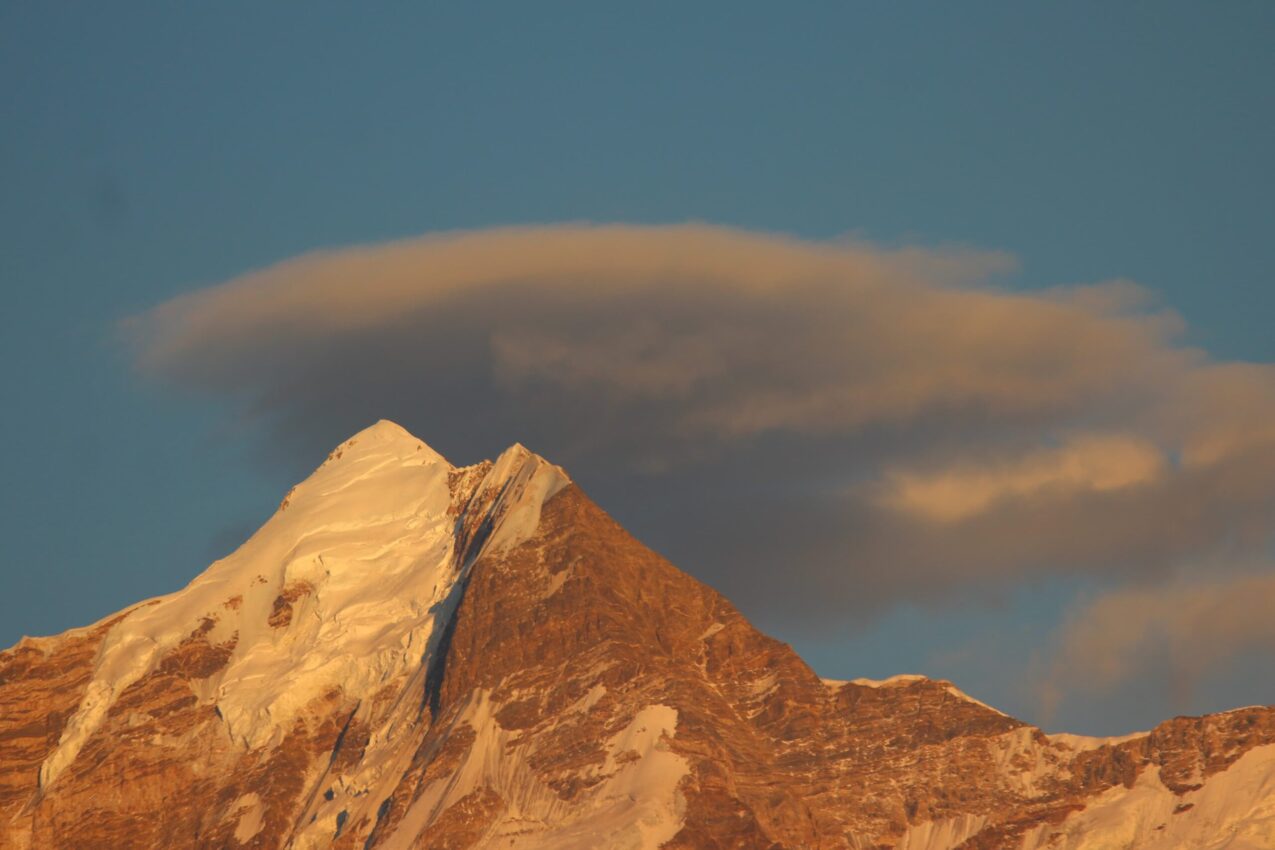
Landscape of Uttarakhand
The landscape of Uttarakhand is marvelous, with picturesque valleys and the mighty Himalayas.
Reaching Uttarakhand by Train
1. Dehradun Railway Station (DDN)
- Connections: Well connected to Delhi, Lucknow, Mumbai, and other major cities via trains like Dehradun Superfast Express, Nanda Devi Express, and Mussoorie Express.
- Approach: This station is at the foothills. From here, you can easily catch a taxi or shared jeep to Rishikesh, Haridwar, or Mussoorie.
2. Haridwar Railway Station (HW)
- Connections: One of the busiest stations in Uttarakhand. Trains from Delhi (Shatabdi, Jan Shatabdi), Kolkata, and other cities stop here.
- Approach: Haridwar is about 25 km from Rishikesh (45–60 minutes by road). Plenty of buses and taxis connect Haridwar to cities across Uttarakhand.
3. Yog Nagri Rishikesh Railway Station (YNRK)
- Connections: YNRK offers better connectivity to long-distance trains from major cities like Delhi, Mumbai, Howrah, and more.
- Approach: Located about 1 km from central Rishikesh, it serves as a gateway for Char Dham Yatra and treks like Kedarnath, Badrinath, and Valley of Flowers. Local autos, cabs, and buses connect YNRK easily to Rishikesh town and beyond.
4. Kathgodam (KGM) and Haldwani (HDW)
- Connections: These stations are the main gateways to Kumaon (Nainital, Almora, Kausani). Trains run from Delhi (Ranikhet Express, Kumaon Express), Lucknow, and Varanasi.
- Approach: From Kathgodam, taxis and shared jeeps can take you to Nainital (40 km), Ranikhet (80 km), and other hill towns.
Reaching Uttarakhand by Road
1. From Delhi by Bus or Car
- Route to Dehradun/Haridwar/Rishikesh: Take NH 334 (via Meerut–Muzaffarnagar) or NH 7 (via Meerut–Roorkee). Delhi to Dehradun is around 250 km, which translates to a 5–6 hour drive, depending on traffic.
- State Transport (UTC): Uttarakhand Transport Corporation runs buses from ISBT Kashmere Gate (Delhi) to Dehradun, Haridwar, and Rishikesh. Deluxe and Volvo coaches operate on this stretch, usually taking 6–7 hours.
2. Private Buses & Volvo Coaches
- Various private operators run Volvo/A.C. coaches from Delhi (ISBT Kashmere Gate, Anand Vihar, Akshardham) to major Uttarakhand hubs—Dehradun, Haridwar, and Kathgodam. These can be booked online via aggregators (RedBus, MakeMyTrip) and usually depart in the evening for an overnight journey.
3. Self-Drive & Taxis
- Self-Drive: If you prefer driving yourself, the roads up to Dehradun and Haridwar are well-maintained highways. Beyond that, mountain roads can be narrow and winding—so drive cautiously.
- Private Taxis: Available from Delhi, Chandigarh, and other cities. You can book a one-way or round-trip taxi; rates vary by season. Many travelers split costs by sharing a taxi with fellow tourists.
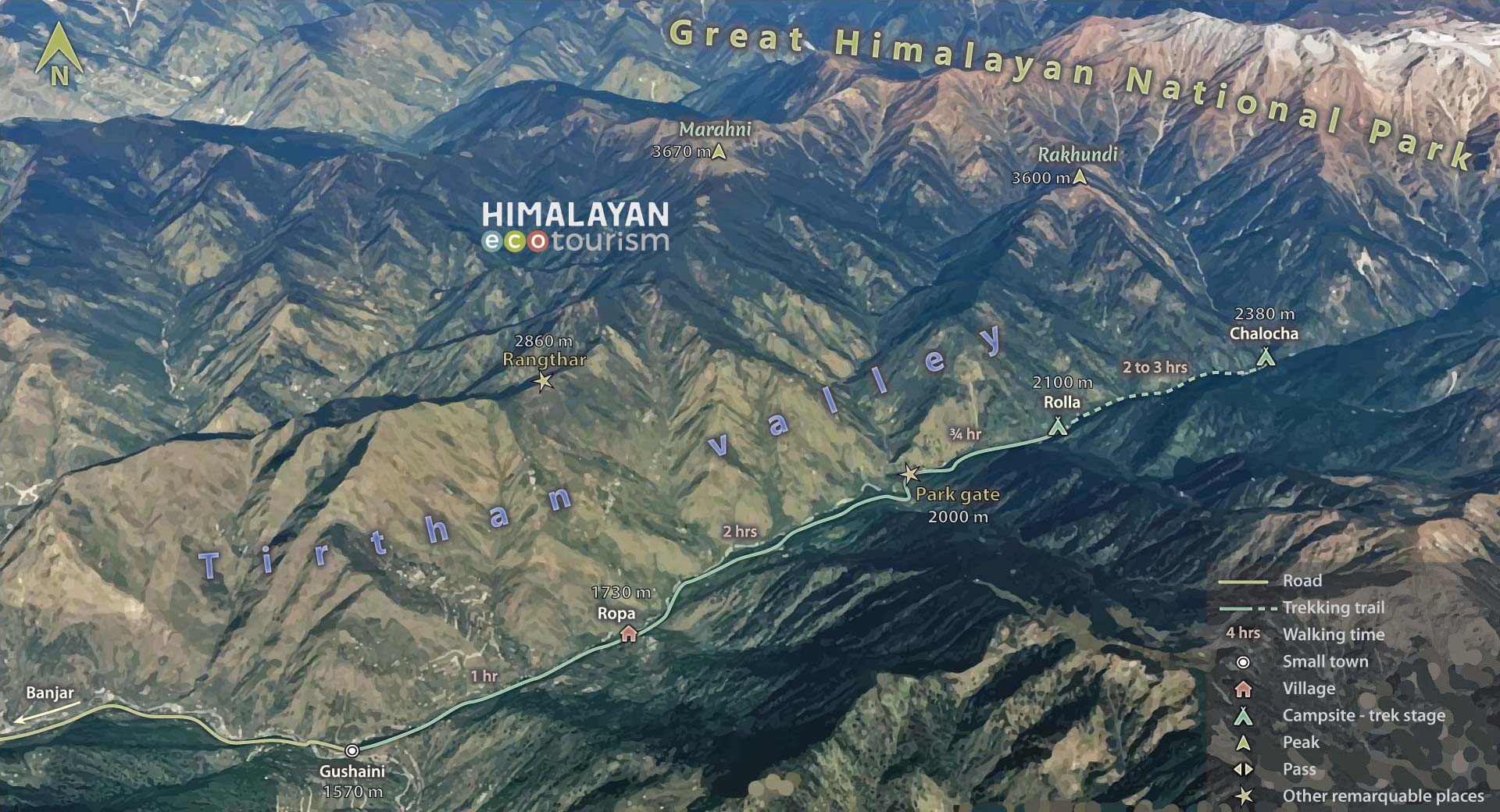
Map of Uttarakhand
Offbeat places to explore in Uttarakhand
As you travel through Uttarakhand, you’ll be greeted by sweeping views of the Himalayas, dense forests, river valleys, and serene hill settlements. While the state is home to popular routes, it also offers countless lesser-known trails that remain peaceful and untouched. This map gives you a overview of Uttarakhand’s diverse landscape.
Permits required for Uttarakhand
Pilgrimage Site Registrations
- Char Dham Yatra (Badrinath, Kedarnath, Gangotri, Yamunotri): Every pilgrim must register on the official Char Dham portal before starting the yatra. Registration includes basic personal details, emergency contacts, and planned arrival/departure dates. Even if you’re traveling by helicopter for Kedarnath, registration is mandatory.
- Tungnath, Madhyamaheshwar, Kalpeshwar, etc.: While these smaller shrines don’t always enforce strict online registration, it’s wise to check local tourist offices or temple committees once you reach the base town.
Inner Line Permits (ILP) for Border Areas
- When Required: If you plan to visit remote border valleys like Niti Valley, Mana (near Badrinath), Nelang Valley (in Yamunotri region), or Pithoragarh’s Darkot area, you must secure an ILP from the district magistrate’s office in the respective region.
- How to Obtain: Visit the local Tehsildar or District Magistrate office in Dehradun, Pithoragarh, or Chamoli. Present your valid ID (Aadhaar card, passport). Fill out the ILP application form. Some areas allow online application, but most remote permits are issued in person. Permits are usually free for Indian nationals. Foreigners often need an additional Protected Area Permit (PAP), which involves a notice period of up to 14 days.
Forest and Wildlife Permits
- National Parks & Sanctuaries: If you want to visit Jim Corbett, Rajaji, or Gangotri National Park, you’ll need an entry fee and possibly a permit for jeeps/gypsies. Check the respective park’s official website for up-to-date charges.
- Trekking in Reserved Areas: For treks like Roopkund, Kuari Pass, or Dayara Bugyal, it’s best to hire a licensed guide or trek operator who will handle any necessary forest department permits.
When to Visit Uttarakhand: Best Time Based on Region
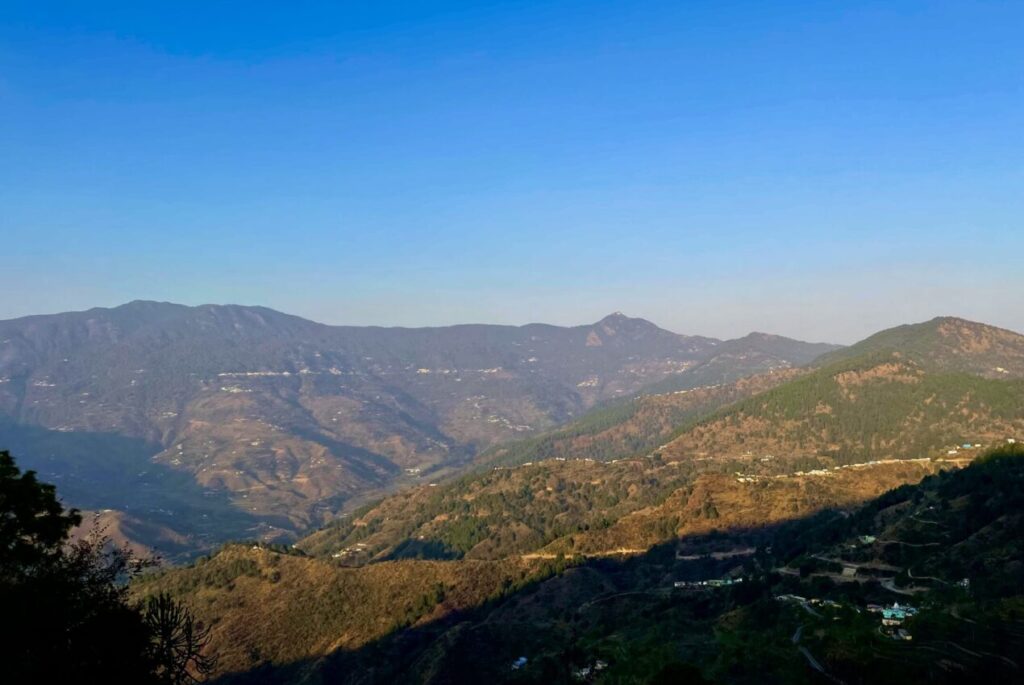
TYPICAL WEATHER IN UTTARAKHAND
Uttarakhand on a pleasant evening.
Uttarakhand’s Varied Weather Overview
Uttarakhand’s landscape ranges from warm foothill plains to chilly high-altitude valleys, so the “best” time to visit depends largely on which part of the state you want to explore. Below is a simple guide describing the ideal months for different regions—along with the kind of weather you can expect—so you can pick the season that matches your plans.
1. Foothill Cities (Dehradun, Rishikesh, Haridwar)
- Climate: Summers (May to June) can be quite warm (30–38 °C), winters (Dec to Feb) are mild (5–20 °C), and monsoon (July to mid-Sept) brings heavy rain.
- Why Visit: These months are perfect for river activities, city sightseeing, and short treks in nearby hills.
2. Mid-Altitude Hill Stations (Nainital, Almora, Mukteshwar)
- Climate: Pleasant in spring (Feb-April) and autumn (mid-Sept to Oct, around 10–25 °C), cold winters (around 0–15 °C), and wetter during monsoon.
- Why Visit: Ideal for lakeside strolls, hilltop views, and moderate treks when the weather is clear.
3. High-Altitude Destinations (Auli, Munsiyari, Valley of Flowers, Hemkund Sahib)
- Climate: Short summers (10–20 °C), severe winters with heavy snowfall (–10 °C to 5 °C), and rainy season can bring landslides.
- Why Visit: Best for snow sports, alpine meadows, and high-altitude treks when passes are open.
4. Pilgrimage Circuits (Gangotri, Yamunotri, Kedarnath, Badrinath)
- Climate: Generally snowbound or inaccessible in winter; clear and cold in summer; monsoon can cause route disruptions.
- Why Visit: Peak pilgrimage season aligns with summer months when routes are snow-free.
JAN
VERY COLD
Off season treks
FEB
COLD
Off season treks
MAR
PLEASANT
Best time to go
APR
PLEASANT
Best time to go
MAY
PLEASANT
Best time to go
JUN
MONSOON
Avoid
JUL
MONSOON
Avoid
AUG
MONSOON
Avoid
SEP
PLEASANT
Best time to go
OCT
PLEASANT
Best time to go
NOV
COLD
Good time to go
DEC
VERY COLD
Off season treks
Getting Around: Transportation Inside Uttarakhand
Traveling within Uttarakhand is an adventure of its own, as you move from foothill roads into winding mountain paths. Here’s a straightforward look at your main options:
1. Public Buses & Shared Jeeps
- In cities like Dehradun, Haridwar, and Rishikesh, Uttarakhand Transport Corporation (UTC) runs regular buses to nearby hill towns (Mussoorie, Tehri, etc.).
- Shared jeeps are common for shorter routes—such as Rishikesh to Devprayag or Kathgodam to Nainital. They’re budget-friendly but fill up quickly, so arrive early.
2. Private Taxis & Cabs
- Ideal if you want door-to-door convenience. You can hire a taxi from Dehradun or Haridwar to most towns. Fare varies by season and distance.
- App-based cabs operate in Dehradun and sometimes in Rishikesh/Haridwar, but become scarce once you head higher into the hills.
3. Rail Connections between Garhwal and Kumaon Regions
- Dehradun/Haridwar to Kathgodam/Haldwani: Trains like the Dehradun Kathgodam Express and Naini Doon Jan link these regions. From Kathgodam, you can take a taxi or shared jeep to Nainital, Almora, and other Kumaon destinations.
- Why it helps: Instead of a long, winding road trip, breaking your journey by rail can be more comfortable—especially during the monsoon when landslides can delay buses.
On the Horizon: New Rail Projects
Rishikesh–Karnaprayag Railway (under construction): This line will link Rishikesh directly with higher Garhwal towns like Devprayag, Srinagar, and Karnaprayag, making travel to hill villages quicker and less daunting. It is expected to be completed by the end of 2026-27.
Quick Tips:
- Plan for Extra Time: Mountain traffic can be slower, and sudden roadblocks due to landslides are not uncommon in monsoon (July–August).
- Book Shared Transport Early: Shared jeeps run on a first-come basis, especially on popular pilgrimage and trek routes.
- Carry Change for Tickets: Many rural bus stops and jeep stands only accept cash, and drivers may not always have change for large bills.
Where to Stay in Uttarakhand: From Hotels to Homestays
Choosing where to spend the night in Uttarakhand depends on your budget, comfort level, and how close you want to be to local life. Here are the main options:
1. Hotels & Resorts
- Cities and Towns: In Dehradun, Rishikesh, Haridwar, Nainital, and Mussoorie, you’ll find everything from budget rooms to mid-range hotels and upscale resorts. Amenities usually include hot water, room service, and Wi-Fi.
- Hill Stations: Small hotels and lodges in Almora, Mukteshwar, and Chopta offer basic comforts—often with views of the mountains or forests.
2. Homestays & Guest Houses
- Local Homes: In villages around Ranikhet, Kausani, and Munsiyari, families open up spare rooms to travelers. Staying here gives you a glimpse of everyday hill life—home-cooked meals, stories around the fireplace, and simple rooms.
- Private Guest Houses: Found in smaller towns, these are often run by local owners and offer shared bathrooms, common dining areas, and a homely atmosphere.
3. Government-Run Guest Houses (GMVN & KMVN)
- GMVN (Garhwal Mandal Vikas Nigam): Spread across Garhwal, including Uttarkashi, Joshimath, and Kedarnath. Clean, budget-friendly rooms; booking often requires advance planning during peak season.
- KMVN (Kumaon Mandal Vikas Nigam): Covers places like Nainital, Almora, and Kausani. Similar to GMVN—basic rooms, reliable service, and a chance to interact with fellow travelers in a common lounge.
4. Village Hosts & Eco-Lodges
- Eco-Lodges: In areas such as the Valley of Flowers or near Jim Corbett, simple mountain cottages or camps focus on sustainable practices—solar power, local materials, and organic meals.
- Community Stays: In small villages like Dharchula or Munsiyari, cooperative-run guesthouses let you experience local farming, crafts, and festivals. Often very affordable and run with traveler safety in mind.
Quick Tips:
- Book Ahead in Peak Season: April–June and September–October fill up fast, especially in popular spots like Nainital and Auli.
- Check Amenities: If you need heating, hot water, or Wi-Fi, confirm before booking—many mountain lodges have limited electricity during winter.
- Embrace the Local Experience: Homestays may have shared bathrooms or fewer frills, but they offer genuine hospitality and home-cooked meals you won’t find in a regular hotel.
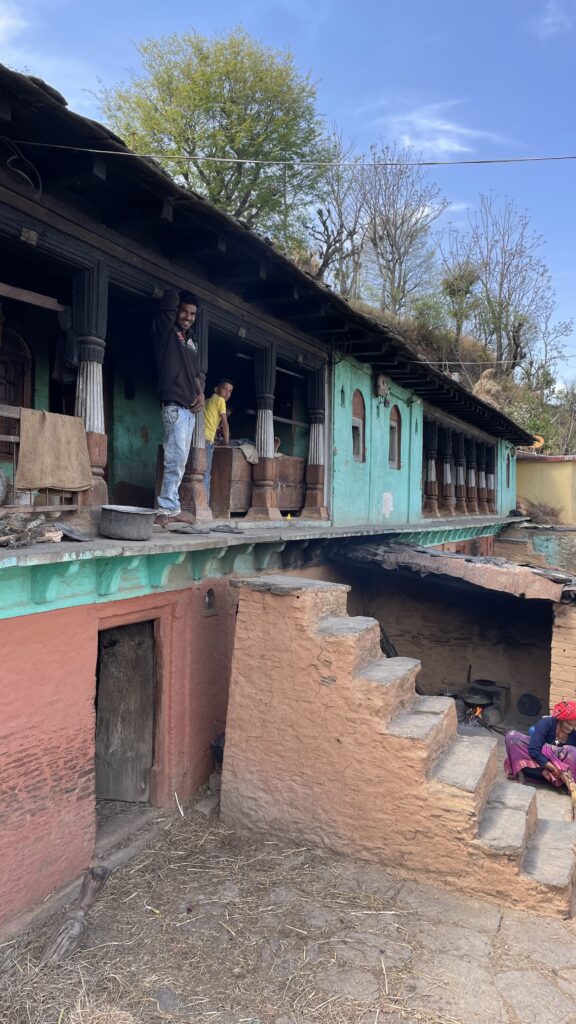
Traditional Home in a Village
Local families host guests at their home, offering amazing hospitality.
When travelling in Nepal, the accommodation options depend on which region you plan to visit. If you are trekking through the foothills of the Himalayas, you will have a more local and rustic experience as you will be staying in tea houses/homestays.
If you choose a road trip, you will have the choice between homestays and luxury accommodations.
Uttarakhand’s Culture: A Tapestry of Garhwali and Kumaoni Traditions
Uttarakhand’s culture is woven from the lives of mountain villages, temple rituals, folk music, and age-old customs. While Garhwal and Kumaon have their own distinct flavors, both regions share a deep respect for nature, community, and the divine. Below is a snapshot of what makes each tradition special, followed by some simple cultural tips for travelers.
Garhwali Culture: Heartbeat of the Hills
1. Language & Identity:
Garhwali is more than just a dialect—it’s a marker of identity for people who live around peaks like Nanda Devi, Kedarnath, and Haridwar. Though most Garhwalis speak Hindi, they often use Garhwali at home, especially in villages. You’ll hear phrases like “Ram Ram” (greeting) and “Jay Badri Vishal” (salutation to Lord Badrinath) echoing in the hills.
2. Devta Culture & Festivals:
In Garhwal, each village often has its own local deity (devta). Seasonal festivals revolve around these deities and farming cycles. For example:
- Harela (July–August): Celebrates the monsoon and new crops. People plant seeds in small baskets and offer them to the earth.
- Phool Dei (March): Children go door-to-door with flowers, singing blessing songs and receiving sweets in return.
- Ganga Dussehra & Nag Panchami: Marked with river pujas and snake worship near shrines and riverbanks.
3. Folk Music & Dance
- Jagar: A traditional form of spirit worship where a “Jagariya” (priest) sings ballads of gods and ancestors all night. The haunting melodies reflect stories of local legends and are often accompanied by a small instrument called “Dhol Damau.”
- Langvir Nritya: A male-dominated dance performed in villages to honor local spirits and gods. Dancers wear colorful masks and mimic their devotion through rhythmic movements.
4. Cuisine & Handicrafts
- Food: Staples include Kafuli (spinach and fenugreek curry) and Chainsoo (roasted black gram curry). Simple, hearty, and often made with fresh mountain vegetables.
- Craft: Garhwali homes showcase walnut wood carvings, woolen blankets, and handwoven rugs known locally as “namdas.”
Kumaoni Culture: Traditions of the Eastern Hills
1. Language & Identity
Kumaoni, the language of people around Nainital, Almora, and Pithoragarh, has many sub-dialects like Rathwi, Johari, and Sherpali. Villagers often converse in Kumaoni, though Hindi is used in markets and schools. Common greetings include “Ram Ram” and “Jai Bajeshwar” (shout in honor of Lord Shiva).
2. Devta Culture & Festivals
Like Garhwal, Kumaon has its own set of village deities and fairs (jagars). Notable events:
- Nanda Devi Raj Jat (Every 12 Years): A pilgrimage-foot procession spanning over 300 km, honoring Goddess Nanda. It’s a time of communal harmony, music, and feasting.
- Makar Sankranti & Basant Panchami: Harvest festivals celebrated with kite flying and folk dances.
- Kartik Naag Panchami: Special puja for serpents, reflecting age-old respect for wildlife.
3. Folk Music & Dance
- Chholiya: A sword dance performed by men in traditional attire to ward off evil spirits during weddings or festivals.
- Jhoda and Chanchari Songs: Sung during harvest and special occasions, accompanied by simple instruments like the dhol (drum) and damama. These melodies often tell stories of local heroes or share moral lessons.
4. Cuisine & Handicrafts
- Food: Popular dishes include Bhatt ki Churkani (black soybean curry) and Aloo Ke Thechwani (spiced, mashed potato). The emphasis is on locally grown grains, pulses, and fresh produce.
- Craft: Kumaon is known for wooden masks, embroidered shawls, and bamboo crafts, sold in markets around Almora and Haldwani.
Understanding Uttarakhand Culture: Essential Tips for Travelers
1. Respect Local Deity Customs: Always remove your shoes before entering a home or temple. If you see villagers carrying offerings to a shrine, don’t get between them and the deity’s image.
2. Dress Modestly: It’s preferable for women to wear salwar-kameez or long skirts and cover shoulders. Men should preferably wear full-length trousers and shirts, especially when visiting religious sites.
3. Greetings & Politeness: A simple “Ram Ram” or “Namaste” goes a long way. Elders are typically greeted first; always offer your right hand for a handshake or a respectful bow.
4. Dining Etiquette: When offered food, always accept at least a small portion. Avoid wasting any part of the meal—food is considered a blessing.
5. Environment & Community Respect: Carry your trash back to town; mountain streams and forests don’t have waste bins. Ask before taking photos of villagers, especially in rural areas during festivals or rituals. Offer a small donation if you attend a village performance or temple ceremony. It shows appreciation and supports local traditions.
6. Participate When Invited: If a local family invites you for chai or a meal, it’s a chance to learn firsthand about their way of life. Joining in folk dances or songs, when allowed, not only enriches your experience but also earns goodwill.
By embracing Uttarakhand’s warm village spirit—be it in a Garhwali “jagran” at midnight or a Kumaoni fair under a full moon—you’ll leave with far more than just photographs. You’ll gain a deep appreciation for communities that live in sync with nature and honor traditions passed down through generations.
Traditional Food of Uttarakhand: Taste of the Hills
Uttarakhand’s cuisine is simple, wholesome, and shaped by the mountains’ bounty. Using locally grown grains, lentils, and fresh vegetables, hill cooks have created dishes that are both comforting and nutritious. Below is a glimpse into the flavors you’ll find in Garhwal and Kumaon.
Uttarakhandi Cuisine: A Flavorful Blend of Tradition
Mountain Produce & Staples:
- Grains: Finger millet (mandua), barnyard millet (jhangora), and buckwheat (kuttu) often replace wheat and rice at higher altitudes.
- Lentils & Pulses: Black gram (urad), field peas (mash), and black soybeans (bhatt) are common.
- Vegetables: Local greens (like spinach, fenugreek), potatoes, radish, and root vegetables thrive in cooler climates.
Cooking Style:
- Dishes typically involve roasting or slow-cooking lentils and beans.
- Fresh mountain herbs and minimal spices let natural flavors shine.
- Meals are often served with simple sides like homemade pickles, chutneys, and saag (leafy greens).
Garhwali Cuisine
- Kafuli: A thick curry made by simmering spinach and fenugreek with garlic, ginger, and mild spices. It’s hearty, nutritious, and usually eaten with rice or chapati.
- Phanu: A comforting lentil stew combining several pulses (urad, peas, chickpeas) cooked with aromatic spices. Garnished with coriander, it pairs well with mandua (finger millet) roti.
- Chainsoo: Roasted black gram (urad) is coarsely ground and cooked into a dry curry with cumin, garlic, and garam masala. Its smoky flavor makes it a favorite in winter months.
- Bhatt ki Churkani: Though more common in Kumaon, some Garhwali homes also prepare this black soybean curry. Beans are cooked until soft, then mashed into a thick gravy with yogurt, ginger, and spices.
- Mandua Roti & Jhangora ki Kheer: Mandua Roti is a flatbread made from finger millet flour—dense and earthy. Jhangora ki Kheer is a pudding made with barnyard millet, milk, and jaggery—often served during festivals.
Kumaoni Cuisine
- Aloo ke Thechwani: Boiled potatoes are crushed and sautéed with mustard seeds, turmeric, garlic, and green chilies. It’s simple but packed with flavor and usually eaten with rice or chapati.
- Baadi: Pancakes made from a mix of buckwheat flour and gram flour, spiced with garlic and chilies. Served with Ghungroo (a tangy sauce of black gram and tomatoes), it makes for a protein-rich meal.
- Bhatt ki Churkani: Black soybeans (bhatt) are cooked until soft, then mixed into a creamy gravy with curd, ginger, and local spices. Best enjoyed with rice or mandua roti.
- Ras Bhaat: A festive meal where rice is cooked in a light spiced broth (ras) made from gram flour, turmeric, and jaggery. Often served during celebrations and offered as prasad (sacred food).
- Singori: A sweet treat made by cooking khoya (reduced milk solid) with sugar and cardamom, then wrapping it in a leaf (maal) and tying it into a cone. The leaf imparts a delicate aroma.
Sides, Snacks & Beverages in Uttarakhand
Pickles & Chutneys:
- Amla (Indian gooseberry) Pickle: Tart and spicy, it helps with winter immunity.
- Tomato Chutney: Made with tomatoes, garlic, and local spices—perfect with parathas.
Snacks:
- Phaanu Pakode: Small fritters made from phanu (a mix of lentils) batter, spiced and deep-fried.
- Gahat (Kulath) Ki Dal Pakode: Beans are mashed and mixed with spices, then fried into crispy fritters.
Beverages:
- Bhang Ki Chutney: A yogurt-based drink mixed with hemp leaves, ginger, and black salt—traditionally consumed during local fairs.
- Aisan (Millet Pudding): Warm pudding made from local millets, milk, and jaggery, often served during cold months.
By exploring these traditional dishes, you’ll taste Uttarakhand’s mountains in every bite—simple, soulful, and deeply rooted in the land’s rhythms. Whether you enjoy a steaming bowl of Kafuli in a Garhwali village or share Singori sweets in a Kumaoni household, the flavors of Uttarakhand leave a lasting impression on every traveler.
Uttarakhand Photos
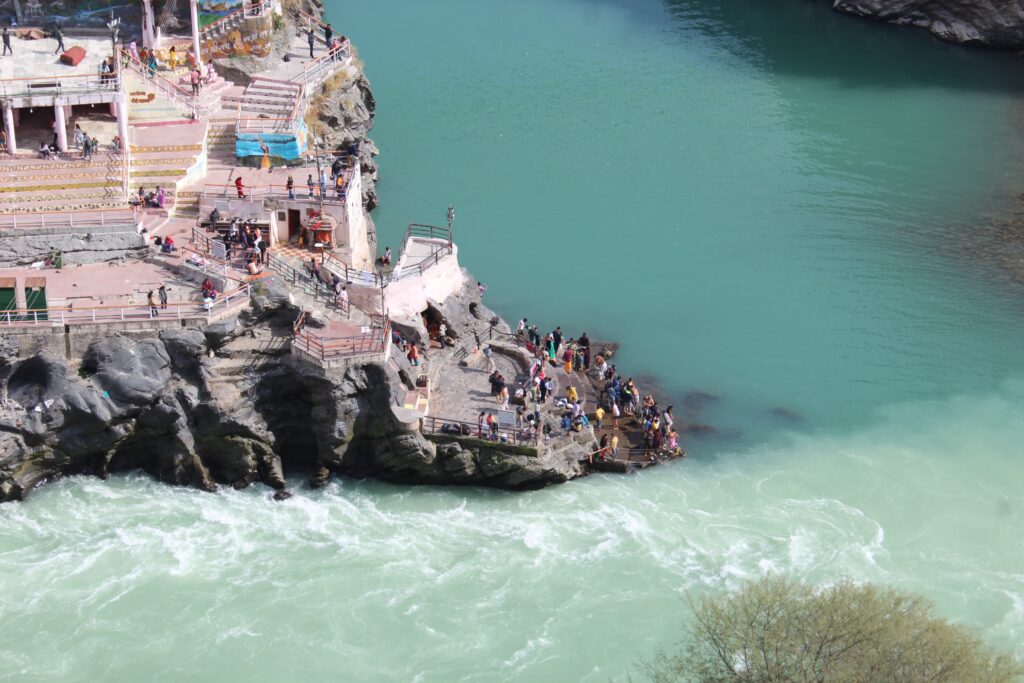
Devprayag Sangam
Bhagirathi meets Alaknanda to be the mighty Ganga.
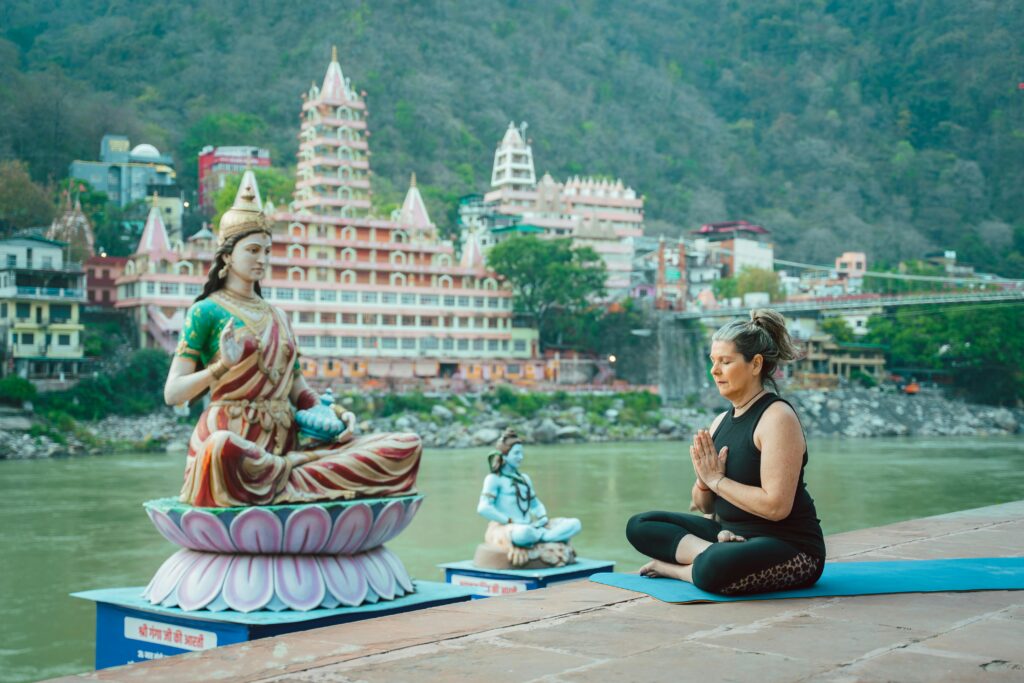
Rishikesh
The Yoga Capital of the World.
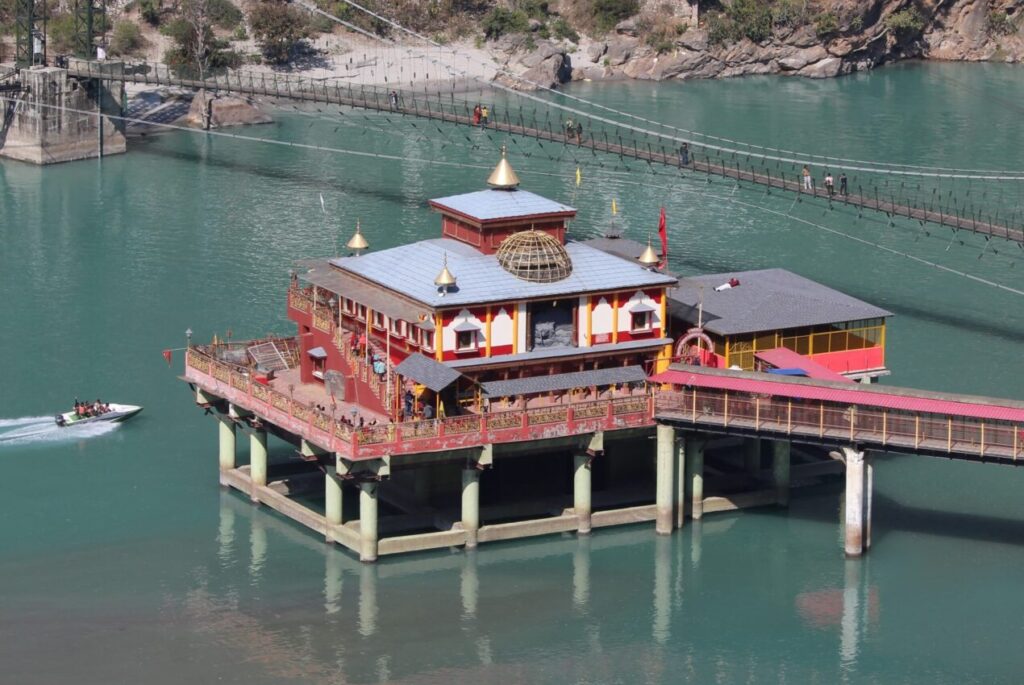
Dhari Devi
Her majesty, the protector of the char dhams of Uttarakhand.
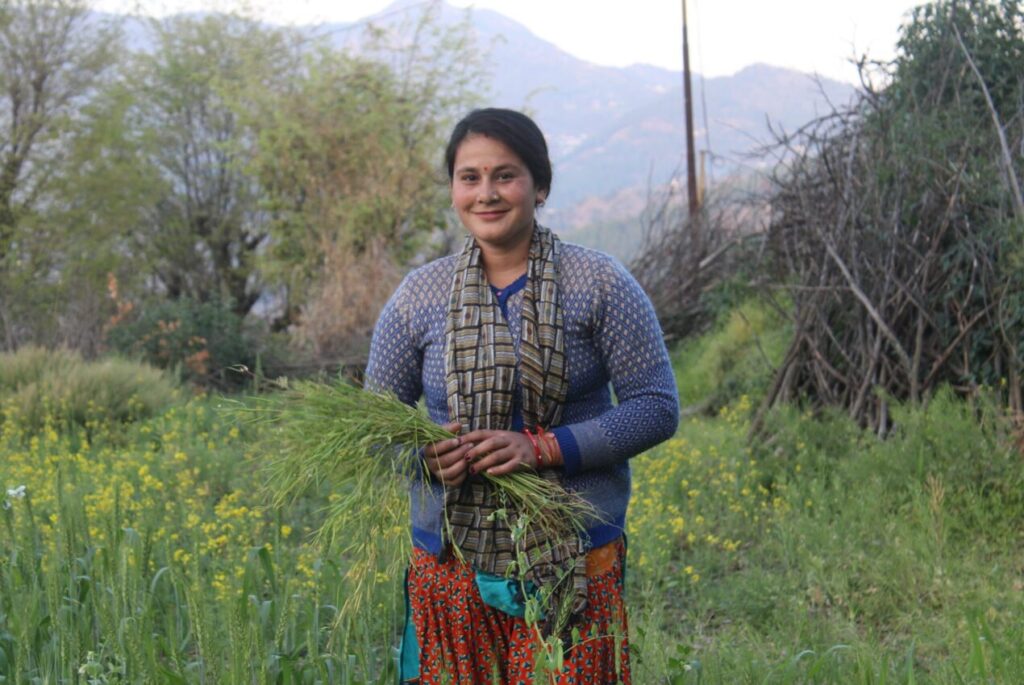
People of Uttarakhand
Some of the kindest and helpful communities in India.
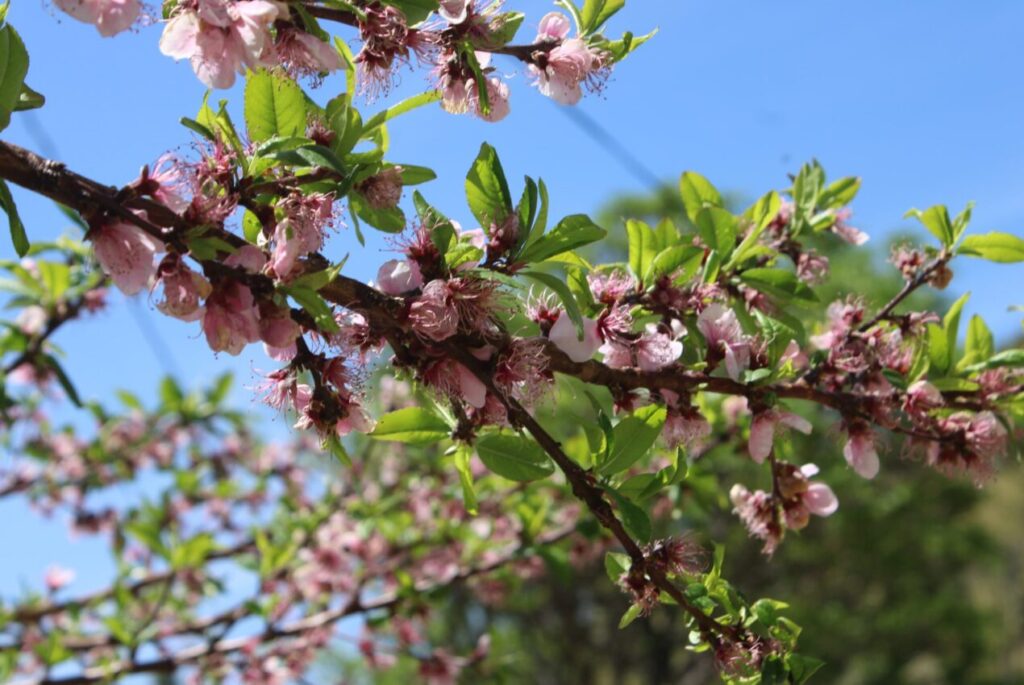
Spring Season
Apricot and Rhododendron blooms all over the Uttarakhand Himalayas in the spring season.
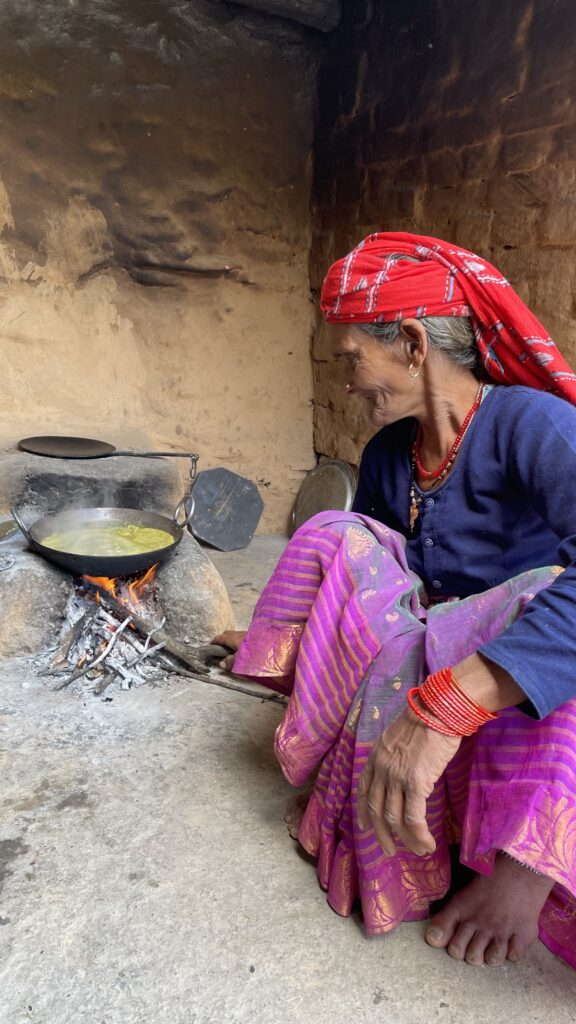
Village Life
Life in villages of Uttarakhand is filled with simplicity and tradition.