



Birdwatching in Tirthan Valley and the Great Himalayan National Park

Tirthan Valley and the ecozone of the Great Himalayan National Park are among the finest birdwatching areas in Himachal Pradesh. With forests, rivers, orchards, villages, alpine slopes and protected wilderness close to each other, the region offers exceptional diversity for bird enthusiasts.
Recent observations by expert birders have recorded more than 200 bird species in and around the valley, making it a rewarding destination for both casual bird lovers and serious birdwatchers.
At Heco, we organize custom birding tours in Tirthan Valley and around the GHNP ecozone, guided by experienced local and expert birders who know where and when different species can be observed.
Why Tirthan Valley is excellent for birdwatching
One of the advantages of birdwatching in Tirthan Valley is that you do not necessarily need to trek deep inside the Great Himalayan National Park. Many species can be observed from villages, forest edges, riversides, orchards and quiet trails in the ecozone.
Some rare or high-altitude species, such as the Western Tragopan, may require more demanding routes or specific seasonal planning. But for most birding experiences, the valley itself offers excellent possibilities.
The founder of Heco lives in an area of Tirthan Valley where at least 90 bird species have been observed, giving us direct, long-term knowledge of local birdlife and seasonal patterns.
Bird Habitats of Tirthan Valley & Great Himalayan National Park
Tirthan Valley and the Great Himalayan National Park contain four major bird habitats: riverside ecosystems, oak and deodar forests, orchards and village landscapes, and high-altitude alpine slopes. These habitats support a diverse range of Himalayan bird species and make the region one of the best birdwatching destinations in Himachal Pradesh.
1. Riverside Habitats:
The Tirthan River and its surrounding streams provide ideal habitat for birds adapted to fast-flowing mountain waters.
Key Species:
- Plumbeous Redstart
- White-capped Redstart
- Brown Dipper
- Crested Kingfisher
- Spotted Forktail
Best Locations:
- Tirthan River
- Gushaini
- Riverside trails and stream corridors


2. Oak and Deodar Forests
The oak and deodar forests of Tirthan Valley provide food, shelter, and nesting opportunities for resident and migratory Himalayan birds.
Key Species:
- White-throated Tit
- Black-headed Jay
- Koklass Pheasant
- Himalayan Woodpecker
- Rufous Sibia
Best Locations:
- Shoja
- Forest trails around Gushaini
- Great Himalayan National Park forests
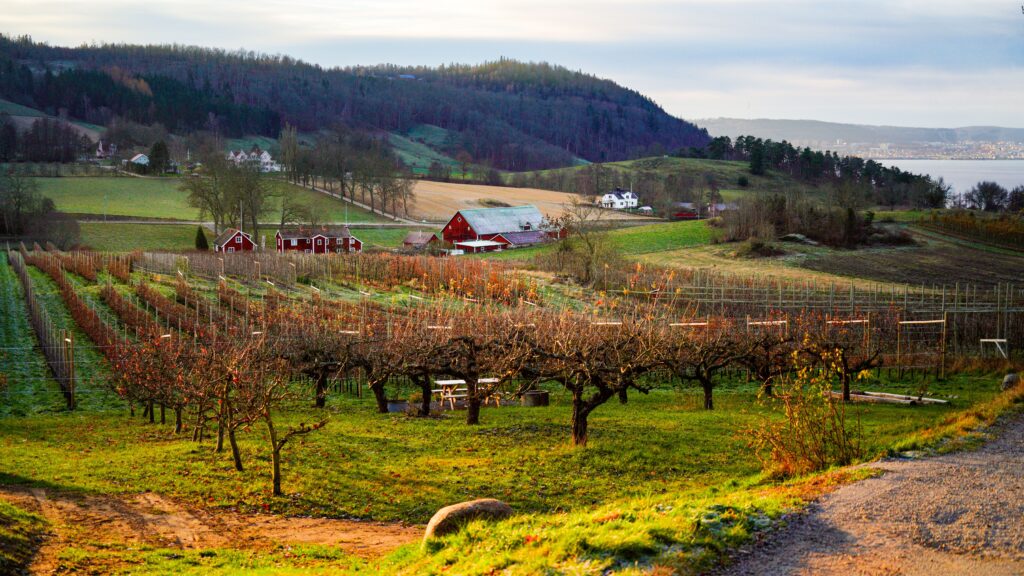
3. Orchards and Village Landscapes
Traditional villages, orchards, and agricultural areas attract many colourful and easily identifiable bird species.
Key Species:
- Himalayan Bulbul
- Indian Golden Oriole
- Gray Treepie
- Red-billed Blue Magpie
- Best Locations:
- Village surroundings
- Orchard belts
- Agricultural landscapes across Tirthan Valley

4. High-Altitude Areas and Alpine Slopes
Higher elevations near Jalori Pass and alpine meadows support bird species adapted to rugged mountain terrain and colder conditions.
Key Species:
- Himalayan Griffon
- Golden Eagle
- Altai Accentor
- Alpine Accentor
- Wallcreeper
Best Locations:
- Jalori Pass
- Alpine meadows
- Higher elevations of the Great Himalayan National Park
The variety of habitats across Tirthan Valley and the Great Himalayan National Park allows birdwatchers to observe different Himalayan bird species across multiple ecosystems and elevations throughout the year.
Best Birdwatching Hotspots in Tirthan Valley
The best birdwatching Hotspots in Tirthan Valley include Gushaini, Sai Ropa, Shoja, Jalori Pass, and the Great Himalayan National Park. These areas offer diverse habitats ranging from riverside forests to alpine landscapes, supporting a wide variety of Himalayan bird species.
1. Gushaini: A popular birdwatching base along the Tirthan River, known for riverside habitats, village surroundings, and nearby forest trails.
2. Sai Ropa: Located near the Great Himalayan National Park interpretation area, offering easy access to forest-edge habitats and a variety of resident and migratory birds.
3. Shoja: A forest-rich destination known for sightings of pheasants, flycatchers, warblers, and other Himalayan bird species.
4. Jalori Pass: One of the best high-altitude birdwatching locations in Tirthan Valley, featuring alpine habitats and elevation-specific bird species.
5. Great Himalayan National Park : A premier birdwatching destination in Himachal Pradesh, home to protected forests, alpine ecosystems, and numerous Himalayan specialty birds.
Expert-led birding tours

The Grey Hooded Warbler
We work with expert birders who know the region deeply. This means we can help you with:
- identifying the best birding spots according to the season
- planning early morning and late afternoon observation walks
- targeting specific species
- arranging local guides and birding experts
- combining birdwatching with village stays, nature walks and cultural experiences
Our tours are not fixed packages only.
We can customize the experience depending on your level of interest, from relaxed nature-based birdwatching to more focused birding itineraries.
Birding without mass tourism
Our approach is slow, respectful and low-impact. Birdwatching requires patience, silence and sensitivity to the environment.
We therefore design our birding experiences in a way that respects both the birds and the local communities.
By travelling with Heco, you also contribute to our wider work in ecological restoration, forest fire prevention and community-based conservation in the region.

The Minivets
Signature Bird Species of Tirthan Valley & GHNP
The most iconic bird species of Tirthan Valley and the Great Himalayan National Park include the Western Tragopan, White-throated Tit, Koklass Pheasant, Himalayan Griffon, and Crested Kingfisher. These species attract birdwatchers from around the world and represent the region’s diverse Himalayan habitats.
1. Western Tragopan : The flagship bird species of Tirthan Valley and the Great Himalayan National Park, known for its elusive nature and striking appearance.
2. White-throated Tit : A western Himalayan endemic bird valued for its restricted range and distinctive appearance.
3. Koklass Pheasant: One of the most frequently observed pheasants in the forests surrounding Tirthan Valley.
4. Himalayan Griffon: A large Himalayan raptor commonly seen soaring above valleys and mountain ridges.
5. Crested Kingfisher: One of the region’s most recognisable river birds, frequently observed along fast-flowing rivers and mountain streams.
Bird species recorded in the region
| Bird species | |
|---|---|
| Common name | Scientific name |
| Himalayan Cuckoo | Cuculus saturatus |
| Gray-crowned Goldfinch | Carduelis caniceps |
| White-rumped Vulture | Gyps bengalensis |
| Common Rosefinch | Carpodacus erythrinus |
| Indian Golden Oriole | Oriolus kundoo |
| Golden Eagle | Aquila chrysaetos |
| House Sparrow | Passer domesticus |
| Large Hawk-Cuckoo | Hierococcyx sparverioides |
| Blyth’s Reed Warbler | Acrocephalus dumetorum |
| Mistle Thrush | Turdus viscivorus |
| Shikra | Tachyspiza badia |
| Wedge-tailed Green-Pigeon | Treron sphenurus |
| Long-tailed Shrike | Lanius schach |
| Indian Blue Robin | Larvivora brunnea |
| Desert Wheatear | Oenanthe deserti |
| Dark-sided Flycatcher | Muscicapa sibirica |
| Olive-backed Pipit | Anthus hodgsoni |
| Rosy Pipit | Anthus roseatus |
| Mrs. Gould’s Sunbird | Aethopyga gouldiae |
| Whistler’s Warbler | Phylloscopus whistleri |
| Eurasian Wryneck | Jynx torquilla |
| Booted Eagle | Hieraaetus pennatus |
| Crested Serpent-Eagle | Spilornis cheela |
| Immaculate Cupwing | Pnoepyga immaculata |
| Speckled Wood-Pigeon | Columba hodgsonii |
| Red-vented Bulbul | Pycnonotus cafer |
| Indian Paradise-Flycatcher | Terpsiphone paradisi |
| Asian Koel | Eudynamys scolopaceus |
| Spotted Dove | Spilopelia chinensis |
| Rufous-naped Tit | Periparus rufonuchalis |
| Dark-breasted Rosefinch | Procarduelis nipalensis |
| White-throated Tit | Aegithalos niveogularis |
| Greenish Warbler | Phylloscopus trochiloides |
| Little Forktail | Enicurus scouleri |
| Crested Kingfisher | Megaceryle lugubris |
| Blue-capped Rock-Thrush | Monticola cinclorhyncha |
| Rufous-bellied Niltava | Niltava sundara |
| Ashy Drongo | Dicrurus leucophaeus |
| Striated Laughingthrush | Grammatoptila striata |
| Western Crowned Warbler | Phylloscopus occipitalis |
| Black-headed Jay | Garrulus lanceolatus |
| Eurasian Kestrel | Falco tinnunculus |
| Koklass Pheasant | Pucrasia macrolopha |
| Common Hoopoe | Upupa epops |
| Oriental Turtle-Dove | Streptopelia orientalis |
| Blyth’s Leaf Warbler | Phylloscopus reguloides |
| White-browed Shrike-Babbler | Pteruthius aeralatus |
| Wallcreeper | Tichodroma muraria |
| Crimson Sunbird | Aethopyga siparaja |
| Whiskered Yuhina | Yuhina flavicollis |
| Spot-winged Grosbeak | Mycerobas melanozanthos |
| Ashy-throated Warbler | Phylloscopus maculipennis |
| Scaly-bellied Woodpecker | Picus squamatus |
| White-collared Blackbird | Turdus albocinctus |
| Southern Nutcracker | Nucifraga hemispila |
| Snow Pigeon | Columba leuconota |
| Fire-fronted Serin | Serinus pusillus |
| Gray Wagtail | Motacilla cinerea |
| Rufous-gorgeted Flycatcher | Ficedula strophiata |
| Slaty-blue Flycatcher | Ficedula tricolor |
| Indian Peafowl | Pavo cristatus |
| Rufous-breasted Accentor | Prunella strophiata |
| Golden Bush-Robin | Tarsiger chrysaeus |
| Fire-breasted Flowerpecker | Dicaeum ignipectus |
| Hume’s Warbler | Phylloscopus humei |
| Verditer Flycatcher | Eumyias thalassinus |
| Indian White-eye | Zosterops palpebrosus |
| Hill Partridge | Arborophila torqueola |
| Ultramarine Flycatcher | Ficedula superciliaris |
| Rusty-cheeked Scimitar-Babbler | Erythrogenys erythrogenys |
| Speckled Piculet | Picumnus innominatus |
| Brown Bullfinch | Pyrrhula nipalensis |
| Fire-capped Tit | Cephalopyrus flammiceps |
| Common Raven | Corvus corax |
| Black Kite | Milvus migrans |
| Black-throated Accentor | Prunella atrogularis |
| Little Swift | Apus affinis |
| Alpine Swift | Tachymarptis melba |
| Plum-headed Parakeet | Psittacula cyanocephala |
| Streak-throated Woodpecker | Picus xanthopygaeus |
| Red Junglefowl | Gallus gallus |
| Kalij Pheasant | Lophura leucomelanos |
| Gray-headed Canary-Flycatcher | Culicicapa ceylonensis |
| Gray-sided Bush Warbler | Cettia brunnifrons |
| Long-tailed Minivet | Pericrocotus ethologus |
| Brown-fronted Woodpecker | Dendrocoptes auriceps |
| Yellow-breasted Greenfinch | Chloris spinoides |
| Altai Accentor | Prunella himalayana |
| Black-and-yellow Grosbeak | Mycerobas icterioides |
| Alpine Accentor | Prunella collaris |
| Hodgson’s Treecreeper | Certhia hodgsoni |
| Gray-crested Tit | Lophophanes dichrous |
| Collared Owlet | Taenioptynx brodiei |
| Bearded Vulture | Gypaetus barbatus |
| Scaly-breasted Cupwing | Pnoepyga albiventer |
| White-throated Fantail | Rhipidura albicollis |
| Mountain Hawk-Eagle | Nisaetus nipalensis |
| Black-throated Thrush | Turdus atrogularis |
| Tickell’s Thrush | Turdus unicolor |
| Goldcrest | Regulus regulus |
| White-browed Fulvetta | Fulvetta vinipectus |
| Green Shrike-Babbler | Pteruthius xanthochlorus |
| Rufous Sibia | Heterophasia capistrata |
| White-capped Redstart | Phoenicurus leucocephalus |
| Plumbeous Redstart | Phoenicurus fuliginosus |
| Brown Dipper | Cinclus pallasii |
| Himalayan Swiftlet | Aerodramus brevirostris |
| Blue-fronted Redstart | Phoenicurus frontalis |
| Buff-barred Warbler | Phylloscopus pulcher |
| Black Bulbul | Hypsipetes leucocephalus |
| Himalayan Prinia | Prinia crinigera |
| Asian Barred Owlet | Glaucidium cuculoides |
| Pink-browed Rosefinch | Carpodacus rodochroa |
| Upland Pipit | Anthus sylvanus |
| Chestnut-bellied Rock-Thrush | Monticola rufiventris |
| Bar-tailed Treecreeper | Certhia himalayana |
| Common Chaffinch | Fringilla coelebs |
| Gray Bushchat | Saxicola ferreus |
| Chestnut Thrush | Turdus rubrocanus |
| Gray-winged Blackbird | Turdus boulboul |
| Eurasian Wren | Troglodytes troglodytes |
| Asian Tit | Parus cinereus |
| Coal Tit | Periparus ater |
| Himalayan Griffon | Gyps himalayensis |
| Rock Bunting | Emberiza cia |
| Himalayan Bluetail | Tarsiger rufilatus |
| Spotted Forktail | Enicurus maculatus |
| Blue Whistling-Thrush | Myophonus caeruleus |
| Common Myna | Acridotheres tristis |
| Large-billed Crow | Corvus macrorhynchos |
| Slaty-headed Parakeet | Psittacula himalayana |
| Gray-headed Woodpecker | Picus canus |
| Himalayan Woodpecker | Dendrocopos himalayensis |
| Great Barbet | Psilopogon virens |
| Black Francolin | Francolinus francolinus |
| Plain Mountain Finch | Leucosticte nemoricola |
| Red-headed Bullfinch | Pyrrhula erythrocephala |
| Russet Sparrow | Passer cinnamomeus |
| Blue-capped Redstart | Phoenicurus coeruleocephala |
| Chestnut-tailed Minla | Actinodura strigula |
| Chestnut-crowned Laughingthrush | Trochalopteron erythrocephalum |
| Variegated Laughingthrush | Trochalopteron variegatum |
| Streaked Laughingthrush | Trochalopteron lineatum |
| Black-chinned Babbler | Cyanoderma pyrrhops |
| Black-throated Tit | Aegithalos concinnus |
| Brownish-flanked Bush Warbler | Horornis fortipes |
| Chestnut-headed Tesia | Cettia castaneocoronata |
| Gray-hooded Warbler | Phylloscopus xanthoschistos |
| Lemon-rumped Warbler | Phylloscopus chloronotus |
| Himalayan Bulbul | Pycnonotus leucogenys |
| Green-backed Tit | Parus monticolus |
| Yellow-browed Tit | Sylviparus modestus |
| Yellow-bellied Fairy-Fantail | Chelidorhynx hypoxanthus |
| Gray Treepie | Dendrocitta formosae |
| Red-billed Blue-Magpie | Urocissa erythroryncha |
| Yellow-billed Blue-Magpie | Urocissa flavirostris |
Here is a list of bird species recently observed in Tirthan Valley and the GHNP ecozone by our birding expert Himanshu.
Meet Our Birding Expert
Himanshu – Birding Guide & Naturalist
Himanshu has spent years exploring the forests, river valleys, and high altitude landscapes of Tirthan Valley and the Great Himalayan National Park. His field experience includes extensive bird surveys, species monitoring, and guiding birdwatchers across different habitats in the region.
With hundreds of bird observations recorded over the years, he brings a deep understanding of local birdlife and the ecosystems that support it. Whether you are new to birdwatching in Tirthan Valley or an experienced birder looking for Himalayan specialties, Himanshu helps visitors discover the region’s remarkable biodiversity while promoting responsible wildlife observation.
Plan your birdwatching trip
Whether you are looking for a short birding walk, a multi-day birding tour, or a customized Himalayan birdwatching itinerary, we would be happy to guide you.
Contact us to discuss:
- best time to visit
- expected species
- birding routes
- guide availability
- accommodation options
- customized birding tours in Tirthan Valley and GHNP ecozone
Get in touch with Heco to plan your birdwatching experience in Tirthan Valley.

The Black Headed Jay
Frequently Asked Questions (FAQs)
Why is Tirthan Valley considered one of the best birdwatching destinations in the Himalayas?
Tirthan Valley offers diverse habitats ranging from riverside forests to alpine slopes, making it home to over 200 bird species, including several rare Himalayan endemics found near the Great Himalayan National Park.
Which is the most sought-after bird for birdwatchers in Tirthan Valley?
The endangered Western Tragopan is considered the most coveted sighting. The forests around the Great Himalayan National Park are among the few places where this elusive pheasant still survives.
What is the best season for birdwatching in Tirthan Valley?
Spring (March to May) and autumn (September to November) are ideal for birdwatching, offering pleasant weather, active bird movement, and excellent visibility on forest trails.
How many bird species can be seen in Tirthan Valley and GHNP?
More than 200 bird species have been recorded in the region, including pheasants, woodpeckers, flycatchers, thrushes, raptors, and migratory birds.
Do I need a birding guide in Tirthan Valley?
Hiring an experienced local birding guide can significantly improve your chances of spotting rare Himalayan birds and understanding their behaviour and habitats.
Is birdwatching in Tirthan Valley suitable for beginners?
Yes. Both beginners and experienced birders can enjoy guided birdwatching walks tailored to different skill levels and interests.
Can I combine birdwatching with a trek in the Great Himalayan National Park?
Yes. Many birdwatching excursions can be combined with day hikes and multi-day treks inside the Great Himalayan National Park, offering opportunities to observe birds in remote habitats.
What equipment should I bring for birdwatching in Tirthan Valley?
A good pair of binoculars, comfortable outdoor clothing, sturdy walking shoes, and a camera with a zoom lens are recommended for an enjoyable birding experience.
Is bird photography rewarding in Tirthan Valley?
Absolutely. The valley’s rich biodiversity, scenic landscapes, and relatively undisturbed habitats make it an excellent destination for bird and wildlife photography.
How does responsible birdwatching help conserve Himalayan wildlife?
Responsible birdwatching supports local communities, encourages sustainable tourism, and contributes to the protection of fragile Himalayan ecosystems and bird habitats.
Other things to do in the Tirthan valley

Our women special trip
Enjoy trekking and outdoor adventures with our women-led program

Children Vacation in Tirthan valley
Outdoor experiential learning camp for kids

Easy Camping in the wild
Try our camping experience in the wilderness for a relaxed outdoors experience.